Bearded Corydoras
Scleromystax barbatus
(64-77°F)
Care Requirements
💧 Water Parameters
🏠 Tank Setup
🍽️ Diet & Feeding
Omnivorous. Accepts high-quality flakes, pellets, and enjoys live or frozen foods such as brine shrimp and daphnia.
🐟 Community Compatibility
Compatible with peaceful community fish of a similar size.
⚥ Sexual Dimorphism
Males have bristles that give a beard-like appearance, hence the name.
🌍 Origin
South America
About Bearded Corydoras
The Bearded Corydoras, scientifically known as Corydoras eigenmanni, presents a delightful intrigue for freshwater aquarium enthusiasts. Originating from the soft, sandy riverbeds of South America, this species is a testament to the diverse and often overlooked world of bottom dwellers. The "bearded" moniker comes from the fish's distinctive barbels, which resemble a beard and serve as tactile organs, helping them scavenge for food along the tank bottom.
Characterized by their armored plates and peaceful nature, Bearded Corydoras are a favorite among aquarists for their ability to coexist harmoniously with a wide range of tank mates. Unlike their more solitary or territorial cousins in the aquatic realm, these fish thrive in social settings, often seen engaging in playful antics with members of their species. Keeping them in groups not only satisfies their social needs but also encourages natural behaviors, making for a more dynamic and engaging aquarium.
The diet of Corydoras eigenmanni is omnivorous, with a strong inclination towards bottom-feeding. In their natural habitat, they sift through the substrate to find food, a behavior that is easily replicated in the home aquarium. They are not picky eaters and will readily accept a variety of foods, including sinking pellets, flakes, frozen fare, and live worms. Their scavenging habits also make them invaluable for keeping the tank clean by consuming uneaten food that falls to the bottom.
Breeding Bearded Corydoras can be a rewarding experience for the dedicated aquarist. While not the easiest species to breed in captivity, success can often be achieved with careful attention to water quality and temperature. Spawning usually occurs after a significant water change that mimics the rainy season of their native habitat, stimulating natural breeding behaviors. Observing the parental care of Corydoras eigenmanni, as they meticulously guard and care for their eggs, can be particularly rewarding.
Caring for Bearded Corydoras requires an environment that mirrors their natural conditions. A soft, sandy substrate is essential for their well-being, protecting their delicate barbels and allowing them to forage as they would in the wild. Plants, driftwood, and caves will provide necessary hiding spots and reduce stress, contributing to their overall health and longevity.
In summary, Corydoras eigenmanni, with their distinctive "beards," peaceful demeanor, and social nature, offer more than just beauty to the home aquarium; they bring a slice of South American river life into the living room. Their presence underscores the importance of understanding and replicating natural habitats to ensure the health and happiness of aquarium inhabitants, making them a cherished species for both novice and experienced fish keepers alike.
Ready to Add Bearded Corydoras to Your Tank?
Use our free stocking calculator to see if Bearded Corydoras fits your aquarium setup!
Try the Stocking CalculatorKeep Your Bearded Corydoras Happy with Fishi
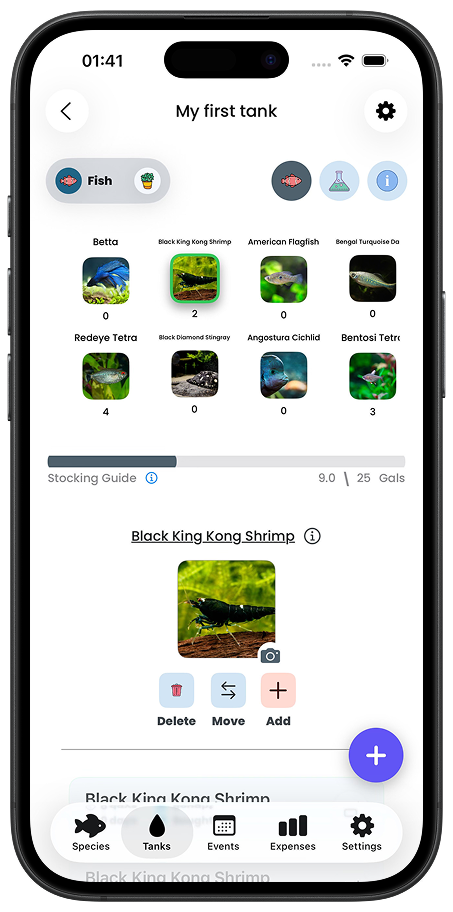
Track your aquarium's health and ensure your Bearded Corydoras are thriving with the Fishi mobile app!
- ✓ Monitor water parameters for optimal Bearded Corydoras health
- ✓ Get reminders for water changes and maintenance
- ✓ Track feeding schedules
- ✓ Log tank observations and fish behavior
- ✓ Manage multiple tanks effortlessly


Loved by over 100,000 fishkeepers