Bleeding Heart Tetra
Hyphessobrycon erythrostigma
(72-82°F)
Care Requirements
💧 Water Parameters
🏠 Tank Setup
🍽️ Diet & Feeding
Omnivorous, prefers a varied diet including high-quality flakes/pellets, live/frozen foods, and vegetable matter
🐟 Community Compatibility
Peaceful community fish such as tetras, rasboras, livebearers, and small catfish. Avoid keeping them with fin-nipping or aggressive species. Provide ample hiding spots and open swimming areas.
⚥ Sexual Dimorphism
Males are generally smaller and more brightly colored, especially during breeding. Females are larger and may have a rounder abdomen when carrying eggs.
🌍 Origin
South America
About Bleeding Heart Tetra
Bleeding Heart Tetras, scientifically known as Hyphessobrycon erythrostigma, are captivating and peaceful freshwater fish known for their unique red marking that resembles a bleeding heart on their silver body. They have a sleek and elongated body shape with a silver base color and a distinctive red patch located on their chest, resembling a heart-shaped drop of blood. This striking feature gives them their common name, "Bleeding Heart Tetra," making them a visually appealing choice for aquarium enthusiasts.
Bleeding Heart Tetras are native to the clear, slow-moving waters of the Amazon River basin in South America, specifically found in Brazil, Peru, and Colombia. In their natural habitat, they inhabit densely vegetated areas, including flooded forests and tributaries. To recreate their preferred environment, it's recommended to provide them with a well-planted aquarium that offers ample hiding places and open swimming areas. Adding driftwood and dark substrate can further enhance their natural habitat.
In terms of behavior, Bleeding Heart Tetras are peaceful and schooling fish that thrive when kept in groups of at least six individuals. They have a gentle and docile nature, making them suitable for community aquariums with other non-aggressive fish species. Bleeding Heart Tetras are known for their active swimming behavior, often exploring all levels of the aquarium. They can coexist harmoniously with other tetras, rasboras, dwarf cichlids, and peaceful bottom-dwelling species.
Caring for Bleeding Heart Tetras involves maintaining suitable water conditions and a well-maintained aquarium. They prefer slightly acidic to neutral water with a moderate temperature range. Good filtration and regular water changes are essential to maintain optimal water quality. Providing them with plenty of swimming space, dense vegetation, and peaceful tank mates will help create an stress-free environment for their well-being.
Bleeding Heart Tetras are omnivorous and have a versatile diet. In their natural habitat, they feed on small insects, worms, crustaceans, and plant matter. In the aquarium, they can be fed a varied diet consisting of high-quality flake or pellet food formulated for tropical fish. Supplementing their diet with live or frozen foods, such as bloodworms, brine shrimp, or daphnia, will provide additional nutrition and enhance their coloration.
When selecting tank mates for Bleeding Heart Tetras, choose peaceful fish species that share similar water parameters. They can coexist well with other small to medium-sized, non-aggressive community fish, such as tetras, rasboras, dwarf gouramis, or peaceful catfish. Avoid housing them with fin-nipping or aggressive fish that may cause stress or harm to the Bleeding Heart Tetras.
Breeding Bleeding Heart Tetras in captivity is possible, although it can be challenging. A separate breeding tank with slightly acidic and soft water, along with dense vegetation or spawning mops, is recommended. The parents do not provide parental care, and the eggs typically hatch within 24-36 hours. Raising the fry requires providing them with small live or powdered food and maintaining optimal water conditions.
In conclusion, Bleeding Heart Tetras are visually striking and peaceful fish that can bring beauty to any freshwater aquarium. With their unique red marking resembling a bleeding heart, they are highly sought after by aquarists. By providing them with suitable tank conditions, a varied diet, and compatible tank mates, Bleeding Heart Tetras can thrive and become a captivating centerpiece in any aquatic setup.
Ready to Add Bleeding Heart Tetra to Your Tank?
Use our free stocking calculator to see if Bleeding Heart Tetra fits your aquarium setup!
Try the Stocking CalculatorKeep Your Bleeding Heart Tetra Happy with Fishi
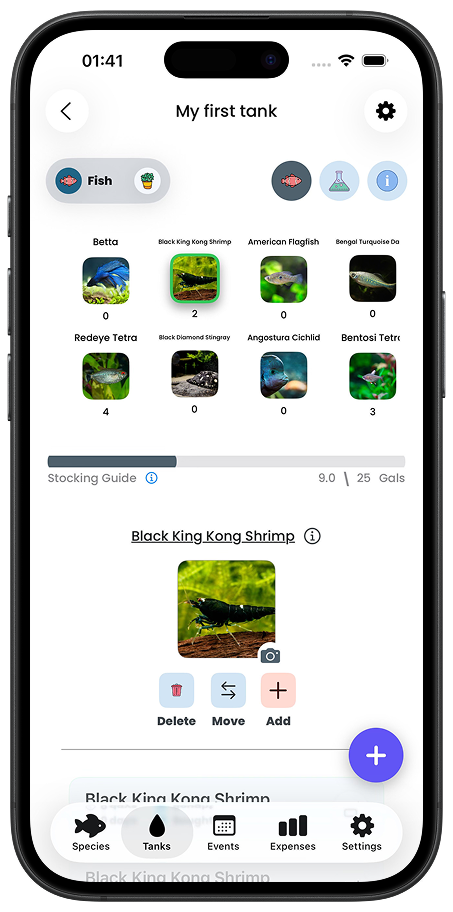
Track your aquarium's health and ensure your Bleeding Heart Tetra are thriving with the Fishi mobile app!
- ✓ Monitor water parameters for optimal Bleeding Heart Tetra health
- ✓ Get reminders for water changes and maintenance
- ✓ Track feeding schedules
- ✓ Log tank observations and fish behavior
- ✓ Manage multiple tanks effortlessly


Loved by over 100,000 fishkeepers