Blue Acara
Andinoacara pulcher
(75-82°F)
Care Requirements
💧 Water Parameters
🏠 Tank Setup
🍽️ Diet & Feeding
Omnivorous, prefers a varied diet including high-quality flakes/pellets, live/frozen foods, and vegetable matter
🐟 Community Compatibility
Peaceful community fish such as tetras, rasboras, dwarf cichlids, and other non-aggressive species that prefer similar water conditions.
⚥ Sexual Dimorphism
Males may develop longer and more pointed dorsal and anal fins, while females may have a rounder abdomen when carrying eggs.
🌍 Origin
South America
About Blue Acara
Blue Acara, scientifically known as Andinoacara pulcher, is a popular freshwater fish species native to South America, specifically the Amazon River basin and surrounding areas. They are highly sought after for their striking blue coloration and peaceful temperament, making them a favorite among aquarium enthusiasts.
Blue Acaras have an elongated and laterally compressed body with vibrant blue scales that can vary in intensity depending on their mood and breeding condition. They also feature a distinctive black spot on their gill cover, known as an ocellus, which adds to their overall visual appeal. Males typically develop longer and more pointed dorsal and anal fins compared to females.
In their natural habitat, Blue Acaras inhabit slow-moving rivers, streams, and flooded areas with dense vegetation. They prefer a well-planted aquarium with hiding spots provided by driftwood, rocks, or caves. It is important to create ample swimming space for them as they enjoy exploring their environment.
Blue Acaras are generally peaceful, but they can become territorial during breeding or when establishing their territory. They are best kept with other peaceful and similarly sized fish species that can handle their mild territorial behavior. Avoid pairing them with aggressive or fin-nipping fish to prevent stress or harm.
Caring for Blue Acaras involves maintaining suitable water conditions and providing a varied diet. They prefer slightly acidic to neutral water with a moderate temperature range. Good filtration and regular water changes are important to ensure optimal water quality. Blue Acaras are omnivorous and can be fed a diet consisting of high-quality pellets, flakes, and supplemented with live or frozen foods such as brine shrimp, bloodworms, or small insects.
Breeding Blue Acaras can be achieved in a well-maintained aquarium with appropriate breeding conditions. They are substrate spawners and typically lay their eggs on flat rocks or in pits that they have dug. Both parents actively participate in guarding the eggs and fry, ensuring their safety and well-being. Separate breeding tanks can be set up to increase breeding success rates and protect the fry until they are large enough to be reintroduced to the main tank.
In summary, Blue Acaras are captivating freshwater fish known for their stunning blue coloration and peaceful nature. With proper care, suitable tank conditions, and compatible tank mates, they can thrive and become a vibrant addition to your aquarium. Their adaptability and engaging behavior make them an excellent choice for hobbyists looking to create a visually appealing and harmonious aquatic environment.
Ready to Add Blue Acara to Your Tank?
Use our free stocking calculator to see if Blue Acara fits your aquarium setup!
Try the Stocking CalculatorKeep Your Blue Acara Happy with Fishi
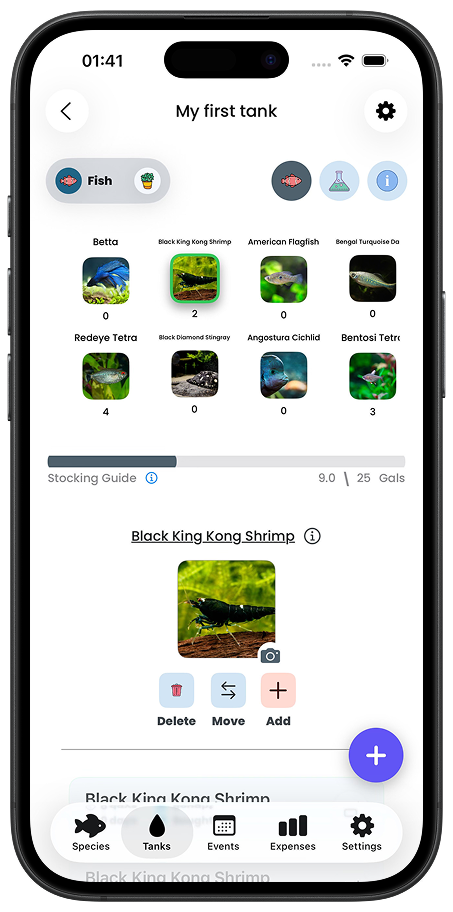
Track your aquarium's health and ensure your Blue Acara is thriving with the Fishi mobile app!
- ✓ Monitor water parameters for optimal Blue Acara health
- ✓ Get reminders for water changes and maintenance
- ✓ Track feeding schedules
- ✓ Log tank observations and fish behavior
- ✓ Manage multiple tanks effortlessly


Loved by over 100,000 fishkeepers