Blue Dwarf Cichlid
Apistogramma trifasciata
(76-84°F)
Care Requirements
💧 Water Parameters
🏠 Tank Setup
🍽️ Diet & Feeding
Omnivorous with a preference for live and frozen foods such as brine shrimp, daphnia, and bloodworms. High-quality flake foods and pellets designed for cichlids can also be part of their diet, especially when supplemented with vegetable matter.
🐟 Community Compatibility
Can be suitable for a community tank with other small, peaceful fish that thrive in similar water conditions. Good tank mates include small tetras, rasboras, and dwarf corydoras. Avoid large or aggressive species that may intimidate or harm the dwarf cichlids.
⚥ Sexual Dimorphism
Males are larger, more colorful, and have more pronounced finnage compared to females. Females are smaller, often with a more subdued color palette, and may exhibit a more rounded belly when gravid.
🌍 Origin
South America
About Blue Dwarf Cichlid
The Blue Dwarf Cichlid, scientifically known as Apistogramma trifasciata, is a captivating and colorful species within the dwarf cichlid family, originating from the soft, acidic waters of South America, particularly in the Amazon Basin. Renowned for its vibrant coloration and complex behavior, the Blue Dwarf Cichlid is a sought-after species for aquarists who appreciate the intricacies of cichlid care in a smaller, more manageable package.
Males of Apistogramma trifasciata are particularly striking, displaying a range of colors from brilliant blues to striking yellows and reds, often with distinctive vertical bars that add to their visual appeal. Females, while generally more subdued in coloration, also display their own unique charm, especially when in breeding condition, showcasing richer hues and a gravid spot. The species is known for its elongated, somewhat torpedo-shaped body and the elaborate finnage of the males, which includes an extended dorsal fin adorned with beautiful patterns.
Creating an optimal environment for the Blue Dwarf Cichlid involves mimicking their natural habitat as closely as possible. This includes providing a soft, sandy substrate for digging, as well as plenty of hiding spots among rocks, caves, and driftwood. Live plants are also highly recommended, as they add to the aesthetic appeal of the tank and provide additional cover and breeding sites. The water conditions should be soft and acidic, with a pH ranging from slightly acidic to neutral, to replicate the blackwater conditions of their native environment.
The diet of Apistogramma trifasciata is omnivorous, with a preference for small live or frozen foods in captivity. They thrive on a varied diet that includes brine shrimp, daphnia, bloodworms, and high-quality flake or pellet foods designed for small cichlids. Offering a mix of dietary options ensures that the Blue Dwarf Cichlid receives all the necessary nutrients for optimal health and coloration.
Breeding the Blue Dwarf Cichlid can be a rewarding experience, as they exhibit fascinating parental behaviors. The species is a cave spawner, with the female laying eggs in a carefully chosen and defended location, such as a cave or under a leaf. Males may guard the territory around the spawning site, while females take on the primary role of egg and fry care. To encourage breeding, maintaining pristine water conditions and providing a diet rich in live foods can be beneficial.
Caring for Apistogramma trifasciata involves attentive maintenance to ensure stable water conditions, with regular water changes and careful monitoring of water parameters. While generally peaceful towards other species, the Blue Dwarf Cichlid can exhibit territorial behavior, especially during breeding. They are best kept in a species-specific tank or with other small, peaceful fish that thrive in similar water conditions.
In summary, the Blue Dwarf Cichlid, Apistogramma trifasciata, offers aquarists the opportunity to delve into the fascinating world of dwarf cichlids, with their vibrant coloration, intriguing behaviors, and relatively small size making them an attractive addition to the home aquarium. While their care requires a commitment to providing a suitable environment, balanced diet, and attention to their specific needs, the rewards include the enjoyment of their complex social interactions and the satisfaction of successfully keeping one of the more colorful and engaging species within the cichlid family.
Ready to Add Blue Dwarf Cichlid to Your Tank?
Use our free stocking calculator to see if Blue Dwarf Cichlid fits your aquarium setup!
Try the Stocking CalculatorKeep Your Blue Dwarf Cichlid Happy with Fishi
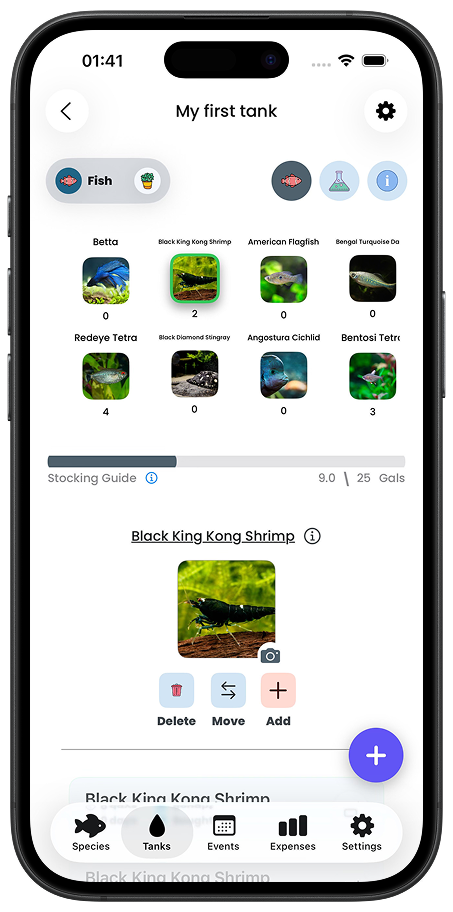
Track your aquarium's health and ensure your Blue Dwarf Cichlid are thriving with the Fishi mobile app!
- ✓ Monitor water parameters for optimal Blue Dwarf Cichlid health
- ✓ Get reminders for water changes and maintenance
- ✓ Track feeding schedules
- ✓ Log tank observations and fish behavior
- ✓ Manage multiple tanks effortlessly


Loved by over 100,000 fishkeepers