Checker Barb
Oliotius oligolepis
(72-79°F)
Care Requirements
💧 Water Parameters
🏠 Tank Setup
🍽️ Diet & Feeding
Omnivorous; accepts a variety of high-quality flakes, pellets, and small live or frozen foods.
🐟 Community Compatibility
Compatible with other small, peaceful fish like rasboras, tetras, and dwarf shrimp.
⚥ Sexual Dimorphism
Males often display more intense coloration, particularly during the breeding season.
🌍 Origin
Southeast Asia
About Checker Barb
The Checker Barb, scientifically known as Oliotius oligolepis, is a species of freshwater fish native to Southeast Asia. This barb species is popular in the aquarium hobby due to its striking appearance, peaceful nature, and active behavior.
Checker Barbs are named for the distinctive checkerboard-like pattern on their bodies, characterized by alternating dark and light scales. Their base coloration is typically silver or gold, and the contrast between the colors gives them a visually appealing look.
In their natural habitat, Checker Barbs inhabit slow-moving rivers, streams, and ponds with dense vegetation. To mimic their preferred environment in captivity, it's advisable to provide a well-planted aquarium with open swimming spaces. These barbs appreciate the presence of floating plants and structures for exploration.
Maintaining stable water parameters is essential for the well-being of Checker Barbs. They prefer slightly acidic to neutral water. Regular water changes and efficient filtration contribute to a healthy aquarium environment.
Checker Barbs are omnivores with a varied diet. They readily accept high-quality dry foods like flakes or pellets, but their diet should be supplemented with live or frozen foods such as brine shrimp, daphnia, and small invertebrates. Providing a diverse diet enhances their coloration and overall health.
These barbs are known for their peaceful nature, making them suitable for community aquariums. They do well in groups, and keeping them in larger numbers helps reduce stress and encourages natural schooling behaviors. Checker Barbs can coexist with other similarly sized, non-aggressive fish.
Breeding Checker Barbs is achievable in captivity. Setting up a separate breeding tank with fine-leaved plants for egg attachment and gentle filtration is recommended. The females scatter adhesive eggs, and the parents should be removed after spawning to prevent them from consuming the eggs.
In conclusion, the Checker Barb, Oliotius oligolepis, is a visually appealing and peaceful species that adds charm to freshwater aquariums. By recreating their natural habitat, maintaining water quality, and providing a varied diet, aquarium enthusiasts can enjoy the beauty and social dynamics of these Southeast Asian barbs in a home aquarium setting.
Ready to Add Checker Barb to Your Tank?
Use our free stocking calculator to see if Checker Barb fits your aquarium setup!
Try the Stocking CalculatorKeep Your Checker Barb Happy with Fishi
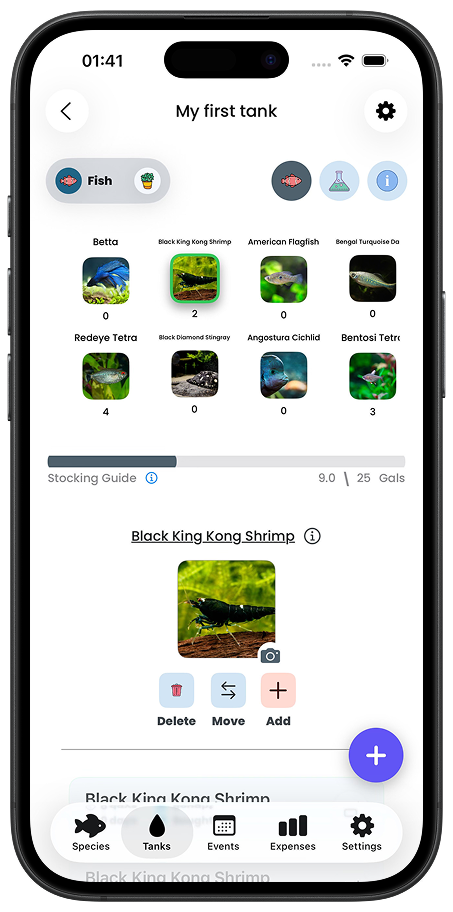
Track your aquarium's health and ensure your Checker Barb are thriving with the Fishi mobile app!
- ✓ Monitor water parameters for optimal Checker Barb health
- ✓ Get reminders for water changes and maintenance
- ✓ Track feeding schedules
- ✓ Log tank observations and fish behavior
- ✓ Manage multiple tanks effortlessly


Loved by over 100,000 fishkeepers