Chinese High-Fin Banded Shark
Myxocyprinus asiaticus
(60-75°F)
Care Requirements
💧 Water Parameters
🏠 Tank Setup
🍽️ Diet & Feeding
Omnivorous; consumes algae, vegetables, and protein-rich foods.
🐟 Community Compatibility
Suitable for ponds or large tanks with cold water species.
⚥ Sexual Dimorphism
Males develop thicker pectoral fins.
🌍 Origin
China
About Chinese High-Fin Banded Shark
The Chinese High-Fin Banded Shark, Myxocyprinus asiaticus, is not actually a shark but a type of freshwater fish belonging to the Catostomidae family, native to the Yangtze River basin in China. This species is highly distinctive and sought after in the aquarium trade, primarily for its unique appearance, including a high dorsal fin and striking bands or stripes across its body when juvenile. The name "shark" in its common name refers to its shark-like dorsal fin, rather than its taxonomy or behavior.
As juveniles, Chinese High-Fin Banded Sharks display an attractive pattern of dark bands on a lighter body, which, along with their pronounced dorsal fin, makes them highly desirable among aquarists. However, it's important to note that their appearance changes significantly as they mature, with adults becoming more uniformly dark and losing the vivid banding seen in their youth. Adult specimens also reach a considerable size and have different care requirements compared to when they are juveniles.
In their natural habitat, Chinese High-Fin Banded Sharks are found in fast-flowing rivers and streams, where they are adapted to cool, oxygen-rich waters. They are benthic feeders, primarily consuming algae and detritus, which makes them beneficial for algae control in large aquariums or ponds.
Keeping Chinese High-Fin Banded Sharks in captivity requires significant consideration of their long-term care, especially given their potential size and lifespan. They are best suited for large, outdoor ponds or very spacious aquariums that can accommodate their growth. The water conditions should mimic their natural riverine habitat, with an emphasis on cleanliness and high oxygen levels. These fish are social and do best when kept in groups, provided there is sufficient space for all individuals to thrive.
Their diet in captivity should reflect their natural feeding habits, with a focus on plant-based foods such as algae wafers, vegetables, and specialized pellets. While young sharks may accept a variety of foods, ensuring a balanced diet that promotes healthy growth is essential.
Breeding Chinese High-Fin Banded Sharks in captivity is a challenging endeavor, rarely achieved outside of specialized breeding facilities. Successful breeding requires replicating the environmental cues of their natural habitat, including changes in water temperature and flow that signal the breeding season.
Conservation of Myxocyprinus asiaticus is of concern, as habitat degradation and pollution in the Yangtze River pose significant threats to their populations. Sustainable practices and awareness are crucial to ensuring the survival of this unique species in the wild.
For aquarists willing to provide for their needs, Chinese High-Fin Banded Sharks offer a unique opportunity to observe a fascinating species that highlights the diversity of freshwater ecosystems. Their care requires a dedicated and responsible approach, emphasizing the importance of understanding the natural history and ecological role of the species we bring into our homes.
Ready to Add Chinese High-Fin Banded Shark to Your Tank?
Use our free stocking calculator to see if Chinese High-Fin Banded Shark fits your aquarium setup!
Try the Stocking CalculatorKeep Your Chinese High-Fin Banded Shark Happy with Fishi
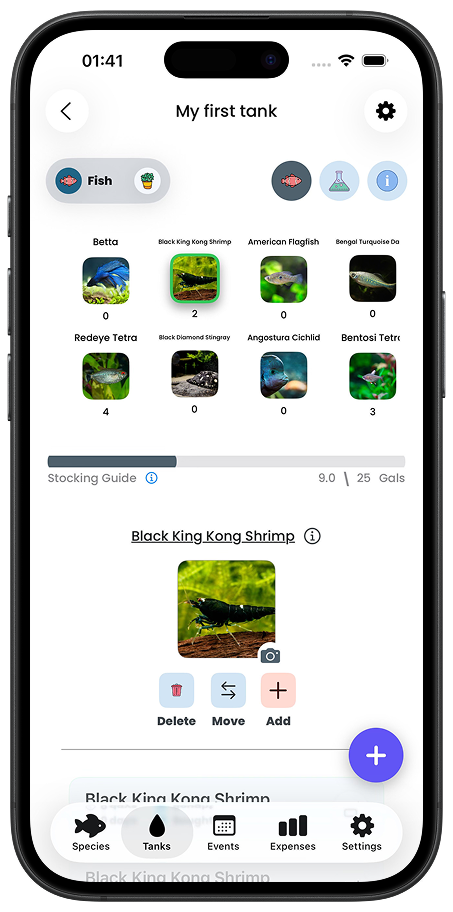
Track your aquarium's health and ensure your Chinese High-Fin Banded Shark is thriving with the Fishi mobile app!
- ✓ Monitor water parameters for optimal Chinese High-Fin Banded Shark health
- ✓ Get reminders for water changes and maintenance
- ✓ Track feeding schedules
- ✓ Log tank observations and fish behavior
- ✓ Manage multiple tanks effortlessly


Loved by over 100,000 fishkeepers