Chocolate Whiptail Catfish
Rineloricaria lanceolata
(74-80°F)
Care Requirements
💧 Water Parameters
🏠 Tank Setup
🍽️ Diet & Feeding
Omnivorous with a preference for algae and biofilm. Requires a varied diet that includes algae wafers, high-quality sinking pellets, blanched vegetables (such as zucchini, spinach, and cucumber), and occasional live or frozen foods like bloodworms and daphnia.
🐟 Community Compatibility
Suitable for community tanks with other peaceful species. Their calm nature makes them compatible with a wide variety of tank mates, including small to medium-sized tetras, rasboras, and other peaceful bottom dwellers. Avoid aggressive or very large fish that may bully or eat them.
⚥ Sexual Dimorphism
Males often have longer and more pointed snouts than females. Additionally, during breeding, males may develop small bristles (odontodes) on their heads.
🌍 Origin
South America
About Chocolate Whiptail Catfish
The Chocolate Whiptail Catfish, scientifically known as Rineloricaria lanceolata, is a distinctive and appealing species in the aquarium hobby, hailing from the freshwater rivers and streams across South America. This species is part of the Loricariidae family, renowned for their armored bodies and peaceful nature. The Chocolate Whiptail Catfish is particularly valued for its elongated body and tail, resembling a whip, and its attractive chocolate to reddish-brown coloration, which can add a touch of elegance to any aquarium setting.
Rineloricaria lanceolata is known for its slender, leaf-like body that allows it to blend seamlessly with the substrate and vegetation in its natural habitat, making it an expert at camouflage. This adaptation not only aids in avoiding predators but also positions the Chocolate Whiptail as a proficient bottom-dweller, constantly grazing on algae and biofilm on surfaces within the aquarium.
Creating an ideal habitat for the Chocolate Whiptail Catfish involves mimicking the conditions of their natural environment as closely as possible. The aquarium should include a soft, sandy substrate to prevent damage to their delicate barbels, along with ample hiding spots created with driftwood, rocks, and live plants. These features not only provide shelter and reduce stress but also encourage natural foraging behaviors. The water conditions should be kept clean and well-oxygenated, with a moderate flow to replicate the moving waters of their native rivers and streams.
The diet of Rineloricaria lanceolata is predominantly herbivorous, focusing on algae and biofilm in their natural setting. In captivity, their diet should be supplemented with high-quality sinking algae wafers, vegetables such as zucchini, cucumber, and sweet potato, and occasional offerings of live or frozen foods to ensure a balanced nutritional intake. This varied diet helps maintain their health and contributes to the cleanliness of the aquarium by controlling algae growth.
Breeding the Chocolate Whiptail Catfish can be challenging but rewarding. They are cave spawners, with the male preparing a secluded spot, usually under a piece of driftwood or in a cave, where the female lays her eggs. The male then guards the eggs, fanning them with his fins to ensure a supply of oxygenated water until they hatch. The breeding process can be encouraged by maintaining pristine water conditions and providing an adequate diet.
Caring for Rineloricaria lanceolata requires attention to maintaining high water quality, with regular water changes and efficient filtration to keep the tank environment clean and stable. Their peaceful nature makes them suitable for community tanks with other non-aggressive species, though their size and dietary needs should be considered when selecting tank mates to ensure harmony within the aquarium.
In summary, the Chocolate Whiptail Catfish offers aquarists the opportunity to keep a unique and visually appealing species that brings both beauty and utility to the freshwater aquarium. While their care requires a commitment to providing a suitable environment, a varied diet, and attention to their specific needs, the rewards of keeping Rineloricaria lanceolata include the enjoyment of their peaceful demeanor, intriguing appearance, and the satisfaction of maintaining a piece of South America's diverse aquatic ecosystem.
Ready to Add Chocolate Whiptail Catfish to Your Tank?
Use our free stocking calculator to see if Chocolate Whiptail Catfish fits your aquarium setup!
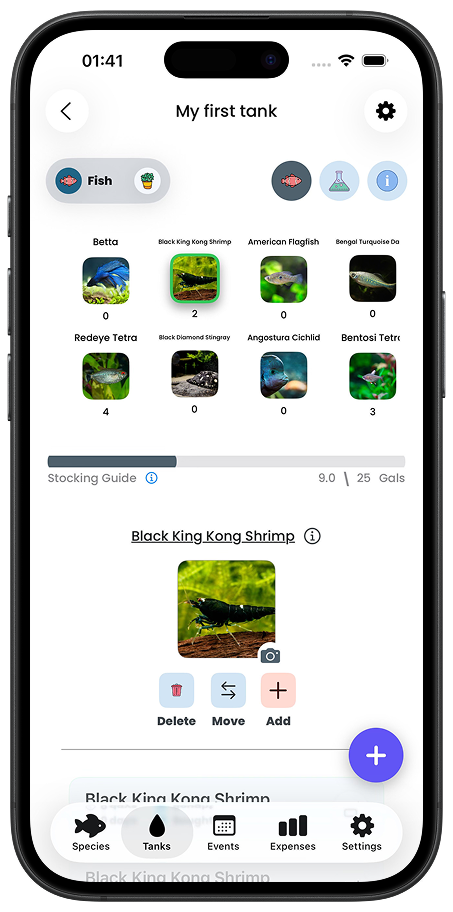
Try the Stocking CalculatorKeep Your Chocolate Whiptail Catfish Happy with Fishi
Track your aquarium's health and ensure your Chocolate Whiptail Catfish are thriving with the Fishi mobile app!
- ✓ Monitor water parameters for optimal Chocolate Whiptail Catfish health
- ✓ Get reminders for water changes and maintenance
- ✓ Track feeding schedules
- ✓ Log tank observations and fish behavior
- ✓ Manage multiple tanks effortlessly


Loved by over 100,000 fishkeepers