Clown Loach
Chromobotia macracanthus
(75-86°F)
Care Requirements
💧 Water Parameters
🏠 Tank Setup
🍽️ Diet & Feeding
Omnivorous. They primarily feed on small invertebrates, algae, and plant matter. Provide a balanced diet consisting of high-quality pellets, flakes, and occasional live or frozen foods such as bloodworms and brine shrimp.
🐟 Community Compatibility
Clown Loaches are compatible with other peaceful community fish that can tolerate their active nature. Avoid keeping them with aggressive or fin-nipping species. Provide plenty of hiding places and ample swimming space.
⚥ Sexual Dimorphism
Males and females are generally similar in appearance, but females may have a rounder belly when full of eggs.
🌍 Origin
Southeast Asia
About Clown Loach
Clown Loach, scientifically known as Chromobotia macracanthus, is a popular freshwater fish species that originates from the rivers of Southeast Asia, particularly in Indonesia and Malaysia. They are well-known for their vibrant colors, unique patterns, and playful behavior, making them a sought-after choice for aquarium enthusiasts.
Clown Loaches have a sleek and elongated body shape with vibrant orange, black, and white vertical stripes running along their body. These colorful patterns make them stand out in any aquarium. As they grow, their colors become more intense and their patterns more pronounced, adding to their visual appeal.
When it comes to tank setup, Clown Loaches require a spacious aquarium with plenty of swimming space. They are active swimmers and appreciate a well-decorated tank with rocks, driftwood, and live plants. Adding hiding spots in the form of caves or thick vegetation can help provide them with a sense of security.
In terms of diet, Clown Loaches are omnivorous and have a diverse palate. They consume a variety of foods including flakes, pellets, frozen or live foods like bloodworms and brine shrimp, and even some vegetable matter. It's important to provide them with a balanced diet that includes both protein-based and plant-based foods to ensure their optimal health.
Clown Loaches are known for their playful and social behavior. They are best kept in small groups to promote their well-being and reduce stress. They are generally peaceful but can become territorial during breeding or if they feel threatened. It's important to provide them with ample hiding spots and enough space to establish their territories and minimize potential conflicts.
Breeding Clown Loaches in an aquarium setting can be challenging and is rarely accomplished. They are egg-layers and require specific conditions, such as the right water parameters and appropriate breeding stimuli, to trigger spawning. Successful breeding attempts often involve specialized breeding setups and techniques.
It's worth noting that Clown Loaches can grow quite large. Therefore, it's important to consider their potential adult size when planning for their long-term care. They have a long lifespan and can live for several decades if provided with suitable conditions and proper care.
In conclusion, Clown Loaches are captivating and entertaining fish that can add a vibrant touch to any aquarium. With their colorful patterns, playful nature, and social behavior, they can become a centerpiece in a well-maintained aquarium. By providing them with a spacious tank, a varied diet, and suitable tank mates, Clown Loaches can thrive and bring joy to any aquarist who appreciates their unique charm.
Ready to Add Clown Loach to Your Tank?
Use our free stocking calculator to see if Clown Loach fits your aquarium setup!
Try the Stocking CalculatorKeep Your Clown Loach Happy with Fishi
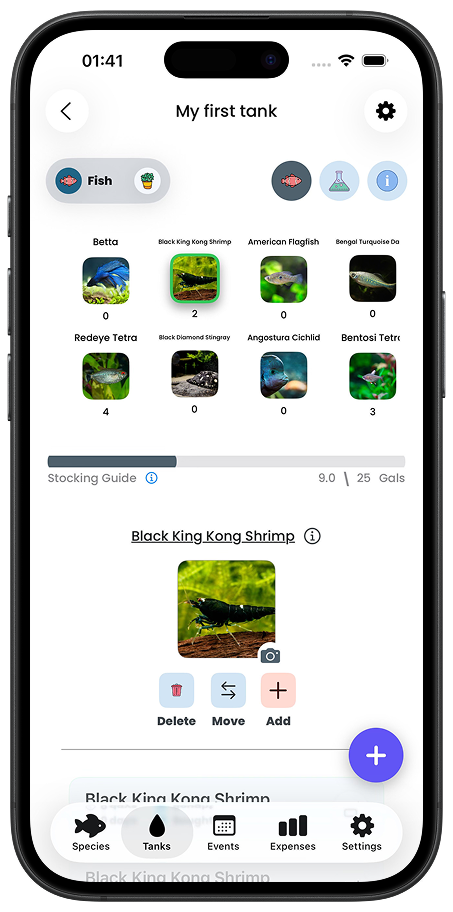
Track your aquarium's health and ensure your Clown Loach are thriving with the Fishi mobile app!
- ✓ Monitor water parameters for optimal Clown Loach health
- ✓ Get reminders for water changes and maintenance
- ✓ Track feeding schedules
- ✓ Log tank observations and fish behavior
- ✓ Manage multiple tanks effortlessly


Loved by over 100,000 fishkeepers