Coffee Bean Tetra
Hyphessobrycon takasei
(75-82°F)
Care Requirements
💧 Water Parameters
🏠 Tank Setup
🍽️ Diet & Feeding
The Coffee Bean Tetra's diet should include small live foods, quality flakes, and pellets to ensure vibrant health.
🐟 Community Compatibility
Suitable for community tanks with other peaceful species, providing a densely planted environment.
⚥ Sexual Dimorphism
Gender differences in Coffee Bean Tetras are subtle, with females generally being slightly rounder than males.
🌍 Origin
South America
About Coffee Bean Tetra
The Coffee Bean Tetra, scientifically named Hyphessobrycon takasei, is a lesser-known yet visually appealing freshwater fish native to South America. This species is part of the Characidae family, which includes a wide variety of popular aquarium fish known for their vibrant colors and dynamic schooling behavior. The Coffee Bean Tetra, in particular, draws attention for its unique patterning that resembles the appearance of a coffee bean, with a dark, rounded spot mid-body against a contrasting lighter background, making it a distinctive addition to community aquariums.
Hyphessobrycon takasei thrives in environments that replicate the soft, acidic waters of its natural habitat. Aquarium setups for Coffee Bean Tetras should feature plenty of plant cover to mimic the densely vegetated waterways they come from. These plants not only provide shelter and security for the tetras but also contribute to the overall health of the aquarium ecosystem by improving water quality and oxygen levels. A dark substrate can help accentuate the tetras' natural colors, while driftwood and leaf litter can add to the naturalistic feel and help maintain the desired water parameters.
The diet of the Coffee Bean Tetra is omnivorous, allowing for a varied diet that includes high-quality flake foods, micro pellets, and live or frozen foods such as brine shrimp, daphnia, and bloodworms. Offering a mix of dietary items ensures they receive all the necessary nutrients for optimal health, vibrant coloration, and active behavior.
Breeding Hyphessobrycon takasei can be a challenge but is achievable with careful attention to water conditions and diet. Like many tetras, Coffee Bean Tetras are egg scatterers, releasing their eggs among fine-leaved plants or spawning mops. To increase the chances of successful breeding, a dedicated breeding tank with soft, acidic water and plenty of plant cover is recommended. The adults typically do not exhibit parental care and may need to be removed from the breeding tank to prevent them from consuming the eggs and fry.
Caring for the Coffee Bean Tetra involves regular maintenance to ensure the water quality remains high, with frequent water changes and effective filtration. Their peaceful nature makes them excellent candidates for community tanks, where they can be kept with other similarly sized and non-aggressive fish species. However, their schooling behavior and preference for swimming in groups should be considered when planning tank size and composition to ensure a harmonious environment.
In summary, the Coffee Bean Tetra, Hyphessobrycon takasei, offers aquarists the opportunity to keep a small, peaceful, and uniquely patterned species that adds both visual interest and activity to the freshwater aquarium. While their care requires attention to their dietary, environmental, and social needs, the rewards of keeping Coffee Bean Tetras include the enjoyment of their distinctive appearance and the dynamic presence they bring to the aquatic setting.
Ready to Add Coffee Bean Tetra to Your Tank?
Use our free stocking calculator to see if Coffee Bean Tetra fits your aquarium setup!
Try the Stocking CalculatorKeep Your Coffee Bean Tetra Happy with Fishi
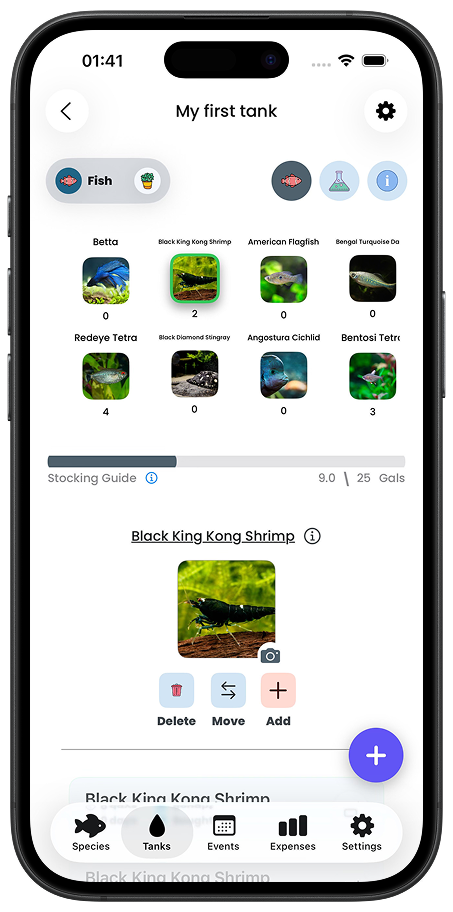
Track your aquarium's health and ensure your Coffee Bean Tetra are thriving with the Fishi mobile app!
- ✓ Monitor water parameters for optimal Coffee Bean Tetra health
- ✓ Get reminders for water changes and maintenance
- ✓ Track feeding schedules
- ✓ Log tank observations and fish behavior
- ✓ Manage multiple tanks effortlessly


Loved by over 100,000 fishkeepers