Cuban Cichlid
Nandopsis tetracanthus
(76-86°F)
Care Requirements
💧 Water Parameters
🏠 Tank Setup
🍽️ Diet & Feeding
Omnivorous; eats a mix of plant and animal matter but prefers protein.
🐟 Community Compatibility
Best kept in species-specific tanks or with other robust, similarly aggressive fish.
⚥ Sexual Dimorphism
Males are larger and more colorful.
🌍 Origin
Cuba
About Cuban Cichlid
The Cuban Cichlid, scientifically known as Nandopsis tetracanthus, is a striking and robust species of freshwater fish native to the rivers and lakes of Cuba. This species is known for its bold appearance, aggressive nature, and territorial behavior, making it a captivating choice for experienced aquarists who can provide the appropriate care and environment.
Cuban Cichlids are characterized by their deep, laterally compressed bodies and distinctive color patterns. Their base color ranges from a pale gray to olive green, often covered with black speckles or mottling that creates a marbled effect. During breeding or when displaying dominance, their colors can intensify, and they may develop more pronounced black bars or patches on their bodies. Their fins are large and often edged with a reddish or yellow hue, adding to their striking appearance.
In captivity, Cuban Cichlids require a spacious aquarium to accommodate their size and territorial nature. A tank setup should include plenty of hiding spots and visual barriers created with rocks, driftwood, and sturdy plants. These elements help define territories and reduce aggression. The substrate can be sand or fine gravel, and the tank should be well-filtered to maintain excellent water quality. Regular water changes are essential to keep the environment clean and healthy.
Water conditions should mimic their natural habitat, with a slightly alkaline to neutral pH and moderate to hard water. Cuban Cichlids are hardy and can adapt to a range of water conditions, but stability is key to their health and well-being.
Due to their aggressive and territorial nature, Cuban Cichlids are best kept in a species-specific tank or with other large, robust cichlids that can hold their own. Careful consideration is needed when selecting tank mates to avoid conflicts and ensure a harmonious environment.
Their diet in the wild consists of a variety of foods, including smaller fish, invertebrates, and plant matter. In the aquarium, they should be fed a varied diet that includes high-quality cichlid pellets, live or frozen foods such as shrimp, fish, and worms, and occasional vegetable matter like spinach or peas. Providing a balanced diet helps maintain their health, vibrant colors, and overall vitality.
Breeding Cuban Cichlids in captivity can be both challenging and rewarding. They are substrate spawners and often lay their eggs on flat surfaces such as rocks or in pits dug in the substrate. Both parents exhibit strong parental care, fiercely guarding and tending to the eggs and fry. To encourage breeding, maintaining optimal water conditions and providing suitable spawning sites are crucial.
Overall, the Cuban Cichlid is an impressive and dynamic addition to any large aquarium suitable for housing aggressive cichlids. Their striking appearance and engaging behaviors make them a fascinating species for experienced aquarists who can meet their care requirements. With proper care and a suitable environment, Cuban Cichlids can thrive and become a commanding presence in the home aquarium.
Ready to Add Cuban Cichlid to Your Tank?
Use our free stocking calculator to see if Cuban Cichlid fits your aquarium setup!
Try the Stocking CalculatorKeep Your Cuban Cichlid Happy with Fishi
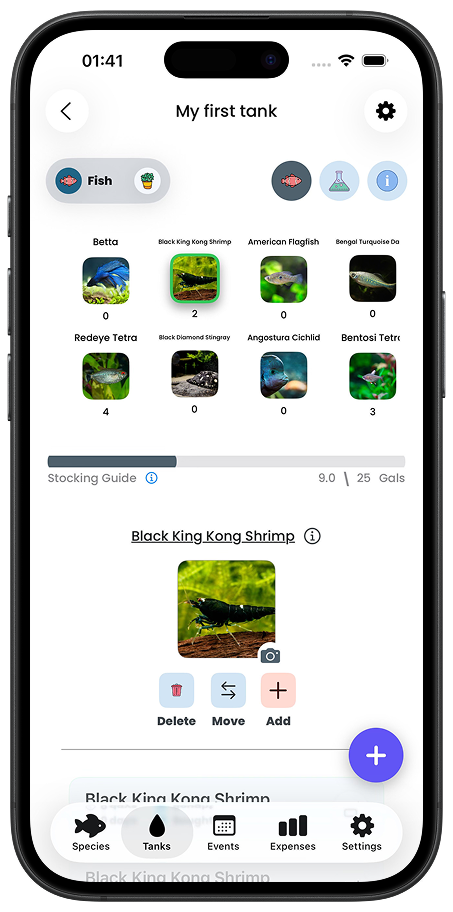
Track your aquarium's health and ensure your Cuban Cichlid is thriving with the Fishi mobile app!
- ✓ Monitor water parameters for optimal Cuban Cichlid health
- ✓ Get reminders for water changes and maintenance
- ✓ Track feeding schedules
- ✓ Log tank observations and fish behavior
- ✓ Manage multiple tanks effortlessly


Loved by over 100,000 fishkeepers