Diamond Sturgeon
Acipenser gueldenstaedtii
(50-68°F)
Care Requirements
💧 Water Parameters
🏠 Tank Setup
🍽️ Diet & Feeding
Omnivorous; requires a varied diet of pellets, worms, and small fish.
🐟 Community Compatibility
Prefers colder water and needs a large pond or public aquarium. Swims at the bottom.
⚥ Sexual Dimorphism
Males mature faster than females.
🌍 Origin
Southeast Asia
About Diamond Sturgeon
The Diamond Sturgeon, scientifically known as Acipenser gueldenstaedtii, is a species of sturgeon native to the Caspian, Black, and Azov sea basins. This ancient fish species is known for its distinct appearance, featuring a long, slender body covered with bony plates called scutes, and a pointed snout with sensory barbels located near its mouth. The name "Diamond Sturgeon" is derived from the diamond-shaped patterns found on its body, making it one of the more visually striking members of the sturgeon family.
Diamond Sturgeons are highly valued not only for their unique appearance but also for their caviar, considered to be among the finest in the world. The harvesting of their roe has made them a target for fishing industries, contributing to their status as a vulnerable species due to overfishing, habitat loss, and pollution.
In their natural habitat, Diamond Sturgeons are migratory, moving between saltwater seas and freshwater rivers to spawn. They are bottom-feeders, with a diet consisting mainly of small fish, crustaceans, and mollusks. Their ability to adapt to varying salinities allows them to thrive in diverse environments, but they require specific conditions to reproduce, which has been affected by dam construction and water pollution.
Keeping Diamond Sturgeons in captivity, such as in home ponds or public aquariums, requires a significant commitment to providing an appropriate environment. These fish can grow to be quite large, necessitating spacious enclosures that can accommodate their size and swimming behavior. Additionally, the water conditions must be carefully managed to mimic their natural habitat, with attention to water quality, temperature, and filtration.
Due to their size and specific care requirements, Diamond Sturgeons are better suited for large outdoor ponds rather than traditional home aquariums. They are often kept by enthusiasts who appreciate their majestic appearance and behavior, providing them with ample space to swim and a diet that reflects their natural feeding habits.
Conservation efforts for Acipenser gueldenstaedtii are crucial to ensure the survival of this species in the wild. These efforts include regulations on fishing, habitat restoration projects, and breeding programs aimed at increasing their population numbers. Sustainable practices in the caviar industry are also important to reduce pressure on wild populations.
In summary, the Diamond Sturgeon is a remarkable fish that captivates the interest of both aquarists and conservationists. Its impressive size, distinctive appearance, and the value of its roe make it a species of great interest, but also highlight the importance of responsible management and conservation efforts to ensure its survival for future generations.
Ready to Add Diamond Sturgeon to Your Tank?
Use our free stocking calculator to see if Diamond Sturgeon fits your aquarium setup!
Try the Stocking CalculatorKeep Your Diamond Sturgeon Happy with Fishi
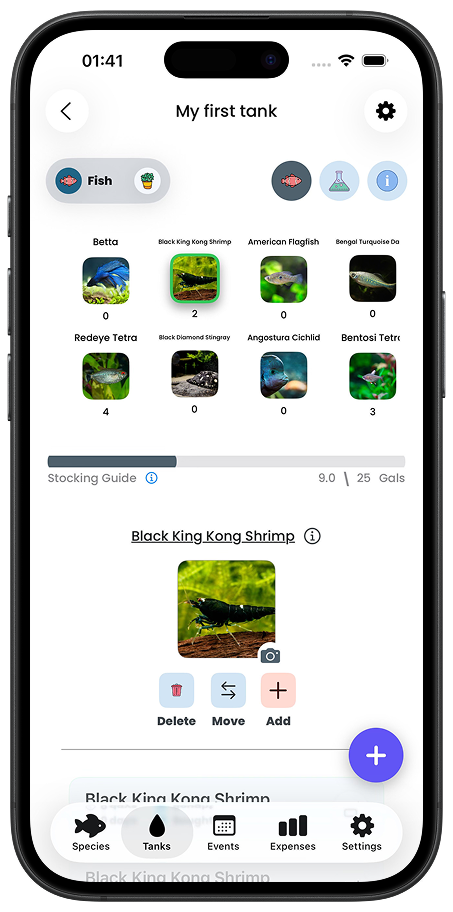
Track your aquarium's health and ensure your Diamond Sturgeon is thriving with the Fishi mobile app!
- ✓ Monitor water parameters for optimal Diamond Sturgeon health
- ✓ Get reminders for water changes and maintenance
- ✓ Track feeding schedules
- ✓ Log tank observations and fish behavior
- ✓ Manage multiple tanks effortlessly


Loved by over 100,000 fishkeepers