Duckbill Catfish
Sorubim lima
(72-79°F)
Care Requirements
💧 Water Parameters
🏠 Tank Setup
🍽️ Diet & Feeding
Carnivorous; feeds on smaller fish and invertebrates.
🐟 Community Compatibility
Suitable for large tanks or ponds with ample space to swim.
⚥ Sexual Dimorphism
Sexual dimorphism is not pronounced.
🌍 Origin
South America
About Duckbill Catfish
The Duckbill Catfish, Sorubim lima, is a distinctive and fascinating species native to the freshwater rivers and tributaries of South America, including the Amazon, Orinoco, and La Plata basins. Known for its unique, elongated snout that resembles a duck's bill, this catfish is a popular choice among more experienced aquarium hobbyists who appreciate its unusual appearance and behavior.
Sorubim lima can reach a notable size in captivity, requiring a spacious aquarium to accommodate its growth and swimming needs. The body of the Duckbill Catfish is elongated and slightly flattened from top to bottom, allowing it to easily navigate the murky river bottoms it calls home. Its coloration is primarily a silvery gray with dark patches or stripes, which helps it blend into its natural environment and ambush prey.
As a nocturnal predator, the Duckbill Catfish is most active during the night. It uses its specialized mouth to sift through the substrate and capture prey, feeding on a diet of smaller fish, crustaceans, and invertebrates in the wild. In the aquarium, they should be provided with a variety of high-quality foods, including pellets, frozen foods, and live foods, to mimic their natural diet and ensure proper nutrition.
The peaceful nature of Sorubim lima makes it compatible with other large, non-aggressive fish species, although its predatory behavior means smaller tank mates are likely to be viewed as food. Creating a suitable habitat for the Duckbill Catfish involves replicating the conditions of its natural environment as closely as possible, with plenty of hiding spots, a soft substrate for burrowing, and dim lighting to mimic the dark, murky waters it prefers.
Breeding Duckbill Catfish in captivity is a rare occurrence, with little information available on successfully reproducing this species in home aquariums. This challenge is primarily due to the need for specific environmental conditions and triggers that are difficult to replicate outside of their natural habitat.
Aquarists interested in keeping Sorubim lima must be prepared to meet the specific needs of this species, including a large enough tank to accommodate its size and swimming behavior, appropriate tank mates, and a varied diet. Regular water changes and diligent tank maintenance are essential to keep the Duckbill Catfish healthy, as they can be sensitive to poor water quality and fluctuations in water parameters.
Despite these challenges, the Duckbill Catfish remains a sought-after species for the home aquarium, offering an opportunity to observe a unique and intriguing aspect of South America's aquatic biodiversity. Its distinctive appearance and fascinating behavior make Sorubim lima a rewarding choice for dedicated hobbyists willing to meet its specific care requirements.
Ready to Add Duckbill Catfish to Your Tank?
Use our free stocking calculator to see if Duckbill Catfish fits your aquarium setup!
Try the Stocking CalculatorKeep Your Duckbill Catfish Happy with Fishi
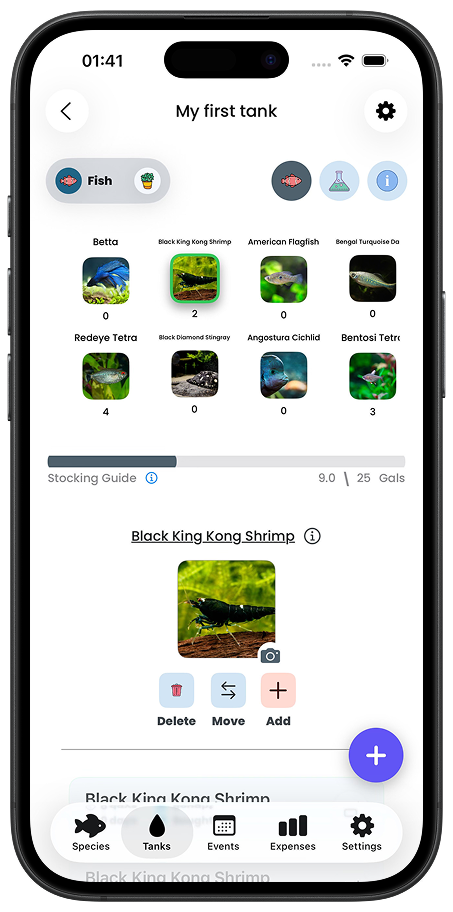
Track your aquarium's health and ensure your Duckbill Catfish is thriving with the Fishi mobile app!
- ✓ Monitor water parameters for optimal Duckbill Catfish health
- ✓ Get reminders for water changes and maintenance
- ✓ Track feeding schedules
- ✓ Log tank observations and fish behavior
- ✓ Manage multiple tanks effortlessly


Loved by over 100,000 fishkeepers