Dwarf 'Pangasius'
Pseudeutropius brachypopterus
(72-79°F)
Care Requirements
💧 Water Parameters
🏠 Tank Setup
🍽️ Diet & Feeding
Omnivorous, but with a preference for small live and frozen foods.
🐟 Community Compatibility
Best kept with similarly sized peaceful fish, avoiding large or aggressive species.
⚥ Sexual Dimorphism
Males and females are similar in size and color.
🌍 Origin
Africa
About Dwarf 'Pangasius'
Pseudeutropius brachypopterus, commonly known as the Dwarf 'Pangasius', is a smaller relative of the larger Pangasius species, which are widely known for their size and vigorous nature. Originating from the freshwater rivers and streams of South Asia, this species presents an interesting option for aquarists looking to keep a fish with the appearance of a Pangasius but in a more manageable size for home aquariums.
The Dwarf 'Pangasius' has a streamlined body shape typical of the Pangasiidae family, with a silver-gray coloration that can exhibit subtle iridescence under certain lighting conditions. Despite being termed 'dwarf', it's important for potential keepers to understand that Pseudotropius brachypopterus can still reach a significant size, usually up to about 6-8 inches (15-20 cm) in captivity, necessitating a spacious tank to accommodate their growth and active swimming behavior.
Creating an optimal environment for the Dwarf 'Pangasius' involves setting up a large aquarium that can provide ample swimming space, as these fish are known for their speed and agility. The tank should include areas of both moderate current and calmer waters, replicating the varied flow conditions of their natural habitat. A sandy or fine gravel substrate, along with some strategically placed rocks or driftwood, can offer resting spots, though open space for swimming should be prioritized. Water conditions should be maintained with a focus on cleanliness and stable parameters, including a temperature range suitable for tropical fish and a neutral to slightly acidic pH.
The diet of Pseudotropius brachypopterus is omnivorous, with a natural preference for a varied diet that includes both plant material and small invertebrates. In captivity, their dietary needs can be met with high-quality sinking pellets or tablets, supplemented with regular offerings of live or frozen foods such as brine shrimp, bloodworms, and daphnia. Vegetable matter, in the form of blanched vegetables or specialized herbivorous fish food formulations, should also be included to ensure a balanced diet.
Breeding the Dwarf 'Pangasius' in a home aquarium setting is relatively undocumented and may present a challenge due to their specific environmental needs and potentially large size. Like many larger fish species, successful breeding typically requires a spacious and well-conditioned environment, with close attention paid to water quality and dietary needs.
Caring for Pseudotropius brachypopterus requires commitment to regular maintenance routines, including frequent water changes, efficient filtration, and monitoring of water parameters to ensure a healthy living environment. Given their size and activity level, Dwarf 'Pangasius' are best suited for aquarists with experience in keeping larger fish species and those who can provide the space and care these unique fish require.
In summary, Pseudotropius brachypopterus, or the Dwarf 'Pangasius', offers a captivating choice for the more advanced aquarium enthusiast looking for a dynamic and interesting species. While their care demands attention to detail in terms of tank setup, diet, and maintenance, the reward lies in the opportunity to observe the behavior and growth of a less commonly kept species that brings a sense of the exotic to the home aquarium.
Ready to Add Dwarf 'Pangasius' to Your Tank?
Use our free stocking calculator to see if Dwarf 'Pangasius' fits your aquarium setup!
Try the Stocking CalculatorKeep Your Dwarf 'Pangasius' Happy with Fishi
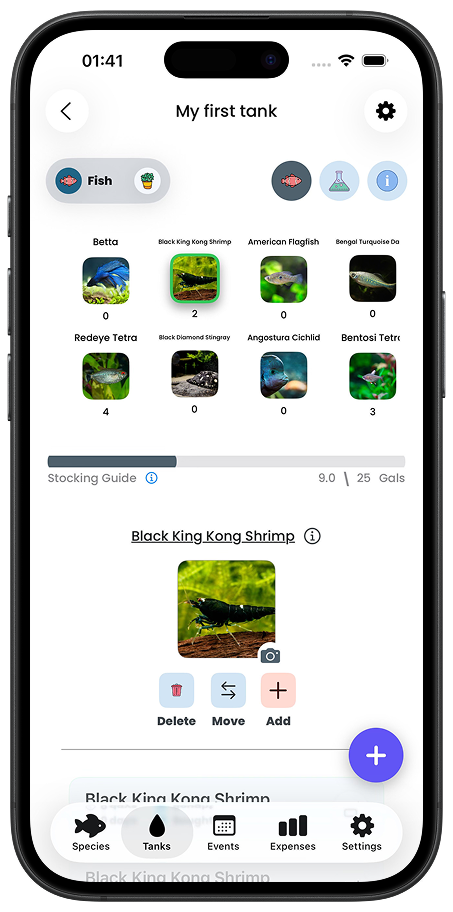
Track your aquarium's health and ensure your Dwarf 'Pangasius' is thriving with the Fishi mobile app!
- ✓ Monitor water parameters for optimal Dwarf 'Pangasius' health
- ✓ Get reminders for water changes and maintenance
- ✓ Track feeding schedules
- ✓ Log tank observations and fish behavior
- ✓ Manage multiple tanks effortlessly


Loved by over 100,000 fishkeepers