Freshwater Moray Eel
Gymnothorax polyuranodon
(74-82°F)
Care Requirements
💧 Water Parameters
🏠 Tank Setup
🍽️ Diet & Feeding
Carnivorous; prefers live foods like fish and shrimp.
🐟 Community Compatibility
Best kept in species-specific tanks or with large, non-aggressive fish.
⚥ Sexual Dimorphism
Sexual dimorphism is not evident.
🌍 Origin
Southeast Asia
About Freshwater Moray Eel
Gymnothorax polyuranodon, commonly known as the Freshwater Moray Eel, is an intriguing species that challenges the common perception of moray eels as strictly marine animals. Native to the estuaries and freshwater habitats of Southeast Asia and Northern Australia, this species has adapted to live in a range of salinities, from full marine to brackish and even purely freshwater environments. Despite its name, the Freshwater Moray Eel thrives best in conditions that closely mimic its natural brackish habitats, with a slight salinity that supports its health and well-being.
Characterized by its elongated body and typical moray eel appearance, Gymnothorax polyuranodon possesses a mottled pattern of browns and tans that provides camouflage among the mangrove roots and riverbeds where it naturally resides. This species can grow to a considerable length, necessitating a spacious aquarium to accommodate its size and provide ample room for exploration and hiding.
Creating an optimal environment for the Freshwater Moray Eel involves setting up a large aquarium with a secure lid, as these eels are known escape artists. The tank should include a variety of hiding spots, such as PVC pipes, large pieces of driftwood, and rock formations, to offer the eel multiple options for shelter. While adaptable to a range of water conditions, maintaining a stable environment with excellent filtration and regular water changes is crucial to the health of Gymnothorax polyuranodon.
The diet of the Freshwater Moray Eel is carnivorous, primarily consisting of meaty foods such as fish, squid, and crustaceans. In captivity, they can be fed a variety of fresh, frozen, and live foods to ensure a balanced diet. It's important to note that feeding live vertebrate prey should be avoided due to ethical concerns and the risk of disease transmission. The eel's feeding habits are nocturnal, so feeding should be adjusted to its natural rhythm for best results.
Breeding Gymnothorax polyuranodon in captivity is extremely rare, with little known about their reproductive habits in the wild. The challenges associated with mimicking their natural spawning conditions in an aquarium setting make breeding efforts largely unsuccessful for hobbyists.
Caring for the Freshwater Moray Eel requires a dedicated and experienced aquarist willing to meet the specific needs of this unique species. Regular monitoring of water parameters, careful attention to diet, and a well-secured aquarium are essential to prevent escapes and ensure the well-being of the eel. Despite the challenges associated with their care, Gymnothorax polyuranodon offers an opportunity to observe and learn from one of the more unusual freshwater inhabitants, adding a fascinating dimension to the home aquarium.
In summary, Gymnothorax polyuranodon, or the Freshwater Moray Eel, presents a unique challenge and rewarding experience for the advanced aquarist. Its distinctive appearance, intriguing behavior, and adaptability to various salinities make it a captivating subject for those prepared to provide the specialized care required to maintain this species in a home aquarium.
Ready to Add Freshwater Moray Eel to Your Tank?
Use our free stocking calculator to see if Freshwater Moray Eel fits your aquarium setup!
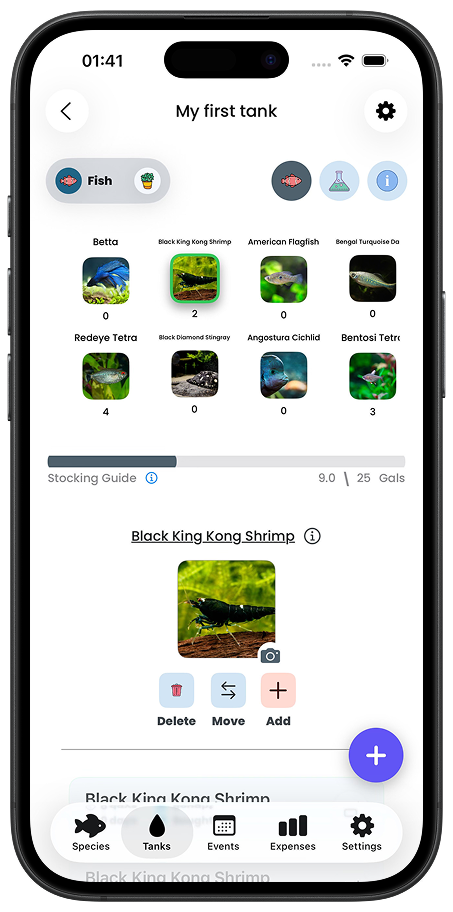
Try the Stocking CalculatorKeep Your Freshwater Moray Eel Happy with Fishi
Track your aquarium's health and ensure your Freshwater Moray Eel is thriving with the Fishi mobile app!
- ✓ Monitor water parameters for optimal Freshwater Moray Eel health
- ✓ Get reminders for water changes and maintenance
- ✓ Track feeding schedules
- ✓ Log tank observations and fish behavior
- ✓ Manage multiple tanks effortlessly


Loved by over 100,000 fishkeepers