Giant Barb
Catlocarpio siamensis
(75-82°F)
Care Requirements
💧 Water Parameters
🏠 Tank Setup
🍽️ Diet & Feeding
Herbivorous; consumes plants, fruits, and occasionally insects.
🐟 Community Compatibility
Requires very large ponds or public aquariums due to its massive size.
⚥ Sexual Dimorphism
Sexual dimorphism is not pronounced.
🌍 Origin
Southeast Asia
About Giant Barb
The Giant Barb, scientifically named Catlocarpio siamensis, is one of the largest species of freshwater fish native to the Mekong basin in Southeast Asia. This magnificent fish is highly revered and is of great cultural significance in countries like Thailand, where it is also known as the Siamese Giant Carp. Due to its impressive size and distinctive appearance, the Giant Barb has captured the interest of aquatic enthusiasts around the world, although its size and care requirements make it a challenging species to keep in home aquariums.
Characterized by its broad, rounded head and large, silver-scaled body, the Giant Barb is a sight to behold. The fish is known for its peaceful demeanor, despite its massive size, and is primarily a bottom feeder, consuming a diet rich in plant matter in its natural habitat. This herbivorous diet is essential to replicate for those attempting to care for Giant Barb in captivity, requiring a substantial amount of vegetable-based foods to meet their nutritional needs.
The natural habitats of the Giant Barb are large rivers and floodplains, where they have plenty of space to roam and access to a varied diet. Unfortunately, this species is now considered critically endangered due to overfishing, habitat loss, and degradation of its natural environment. Conservation efforts are crucial to ensure the survival of the Giant Barb in the wild, involving habitat restoration, protection measures, and breeding programs aimed at increasing their population numbers.
Keeping a Giant Barb in a home aquarium is not feasible for most hobbyists due to the fish's enormous size and specific care requirements. They need a vast amount of space to thrive, with water conditions that closely mimic their natural riverine habitat, including clean, well-oxygenated water with a gentle flow. In public aquariums or specialized facilities, however, Giant Barbs can be a major attraction, offering visitors a rare glimpse of one of the world's most impressive freshwater fish species.
For those dedicated to the conservation and care of Giant Barbs in controlled environments, it is imperative to provide an appropriately sized habitat that can accommodate their growth and a diet that reflects their herbivorous preferences. Moreover, given their endangered status, any effort to keep or breed Giant Barbs should prioritize their health, well-being, and contribution to the preservation of the species.
In summary, the Giant Barb is an iconic freshwater giant, facing significant threats in the wild. While its size and conservation status make it unsuitable for the home aquarium, the Giant Barb remains a symbol of the rich biodiversity of Southeast Asia's rivers and a reminder of the importance of environmental conservation efforts.
Ready to Add Giant Barb to Your Tank?
Use our free stocking calculator to see if Giant Barb fits your aquarium setup!
Try the Stocking CalculatorKeep Your Giant Barb Happy with Fishi
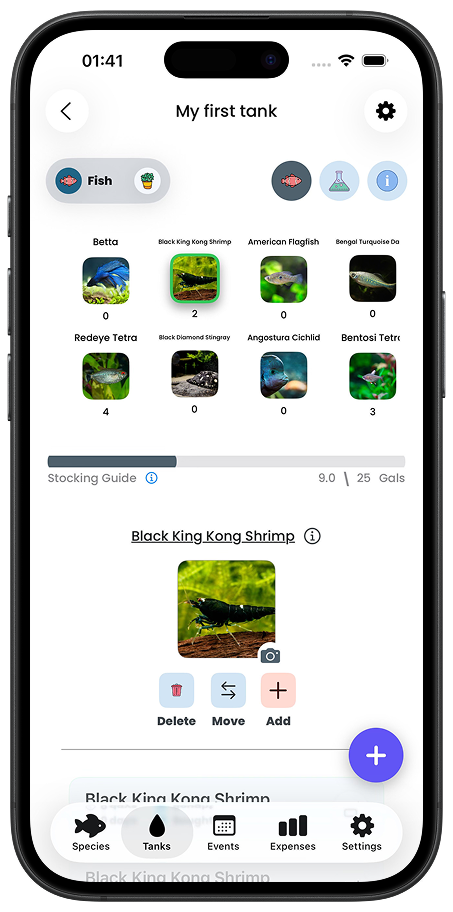
Track your aquarium's health and ensure your Giant Barb is thriving with the Fishi mobile app!
- ✓ Monitor water parameters for optimal Giant Barb health
- ✓ Get reminders for water changes and maintenance
- ✓ Track feeding schedules
- ✓ Log tank observations and fish behavior
- ✓ Manage multiple tanks effortlessly


Loved by over 100,000 fishkeepers