Gibberosa Blue Zaire Mikula
Cyphotilapia gibberosa
(78-82°F)
Care Requirements
💧 Water Parameters
🏠 Tank Setup
🍽️ Diet & Feeding
Omnivorous. In the wild, they feed on a variety of foods, including small fish, insects, and plant matter. In captivity, provide a balanced diet of high-quality pellets, flakes, and occasional live or frozen foods like brine shrimp and bloodworms.
🐟 Community Compatibility
They can be kept with other Tanganyikan cichlids of similar size and temperament. Avoid aggressive or overly territorial species.
⚥ Sexual Dimorphism
Males are typically larger, and both sexes can display vibrant colors.
🌍 Origin
Lake Tanganyika
About Gibberosa Blue Zaire Mikula
Cyphotilapia gibberosa Mikula, commonly known as the Mikula Frontosa, is an intriguing cichlid species native to Lake Tanganyika in East Africa. This species is renowned for its distinctive appearance, characterized by a prominent hump on its head, known as a nuchal hump. The Mikula variant of Cyphotilapia gibberosa is particularly sought after for its unique coloration and patterns.
The males of Cyphotilapia gibberosa Mikula typically exhibit a striking combination of blue and white hues. The nuchal hump on their forehead becomes more pronounced as they mature, adding to their regal and majestic appearance. Females are generally less colorful but display attractive markings and patterns.
Creating an aquarium environment that replicates the rocky and sandy conditions of Lake Tanganyika is crucial for the well-being of Cyphotilapia gibberosa Mikula. These cichlids thrive in setups with rock formations, caves, and open swimming spaces. Due to their larger size, a spacious aquarium is recommended to accommodate their natural behaviors.
Maintaining optimal water quality is essential, and a well-filtered system with regular water changes is necessary for the health of Mikula Frontosas. Providing adequate hiding spots and territories can help manage any potential aggression, as Cyphotilapia gibberosa Mikula is generally considered less aggressive compared to some other cichlid species.
In terms of diet, a high-quality cichlid pellet serves as a staple, supplemented with occasional live or frozen foods such as brine shrimp, mysis shrimp, and other protein-rich options. This balanced diet supports their health and enhances their vibrant coloration.
Cyphotilapia gibberosa Mikula is a mouthbrooder, where the female incubates the eggs in her mouth. Successful breeding can be achieved by providing suitable spawning sites and managing social dynamics. These cichlids may become territorial during the breeding period.
In conclusion, Cyphotilapia gibberosa Mikula, the Mikula Frontosa, is a captivating cichlid species for aquarium enthusiasts, especially those with a preference for unique head shapes and vibrant colors. By recreating their natural habitat, offering a balanced and nutritious diet, and managing their social dynamics, aquarists can enjoy the beauty and behavior of these Lake Tanganyika cichlids in a home aquarium setting.
Ready to Add Gibberosa Blue Zaire Mikula to Your Tank?
Use our free stocking calculator to see if Gibberosa Blue Zaire Mikula fits your aquarium setup!
Try the Stocking CalculatorKeep Your Gibberosa Blue Zaire Mikula Happy with Fishi
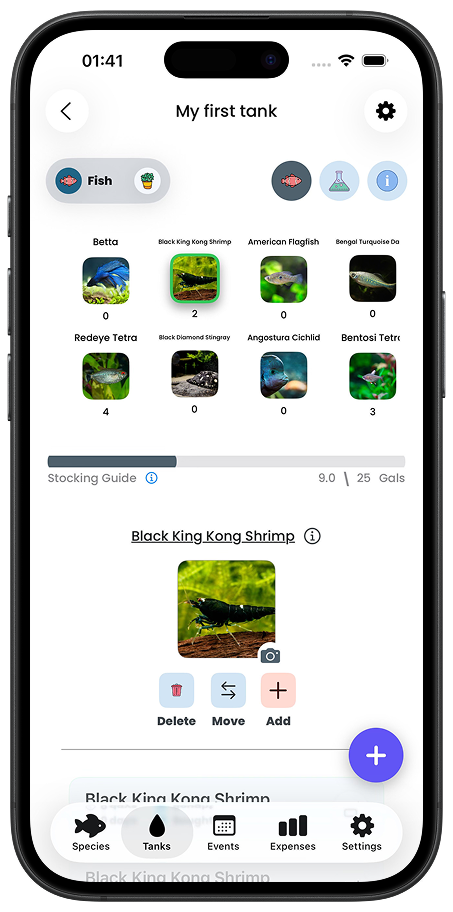
Track your aquarium's health and ensure your Gibberosa Blue Zaire Mikula are thriving with the Fishi mobile app!
- ✓ Monitor water parameters for optimal Gibberosa Blue Zaire Mikula health
- ✓ Get reminders for water changes and maintenance
- ✓ Track feeding schedules
- ✓ Log tank observations and fish behavior
- ✓ Manage multiple tanks effortlessly


Loved by over 100,000 fishkeepers