Gold Barb
Barbodes semifasciolatus
(64-75°F)
Care Requirements
💧 Water Parameters
🏠 Tank Setup
🍽️ Diet & Feeding
Omnivorous, prefers a varied diet including high-quality flakes/pellets, live/frozen foods, and vegetable matter
🐟 Community Compatibility
Peaceful community tank.
⚥ Sexual Dimorphism
Males are generally more vibrant in color with brighter gold and orange hues. Females are slightly larger and have a rounder abdomen.
🌍 Origin
Southeast Asia
About Gold Barb
Gold Barbs, also known as Chinese Barbs, are vibrant and active freshwater fish that add a splash of color to aquariums. Here's some information about Gold Barbs:
Gold Barbs have an elongated and streamlined body shape with vibrant golden-yellow coloration. They feature black bands running horizontally across their body, creating a striking contrast. Males often have brighter colors and develop reddish hues during breeding periods. Their fins are typically transparent or yellowish.
Gold Barbs are native to Southeast Asia and are found in various freshwater habitats, including rivers, streams, and rice paddies. They prefer well-oxygenated water with moderate water flow. In the wild, they inhabit areas with aquatic plants and ample hiding spots.
Gold Barbs are active and shoaling fish that thrive when kept in groups of five or more individuals. They are generally peaceful but may display slight territorial behavior during breeding or if kept in confined spaces. Their energetic nature makes them enjoyable to watch as they swim and explore the aquarium.
Gold Barbs are relatively easy to care for and are suitable for beginner aquarists. They require a well-maintained aquarium with plenty of swimming space and hiding spots, such as plants and decorations. They prefer slightly acidic to neutral water conditions and appreciate a well-filtered environment.
Gold Barbs are omnivorous and have a hearty appetite. They readily accept high-quality flake or pellet food as their main diet. It's beneficial to supplement their diet with occasional offerings of live or frozen foods, such as bloodworms, brine shrimp, daphnia, and vegetable matter like spirulina-based foods or blanched vegetables.
Gold Barbs are generally peaceful and can coexist with other peaceful community fish. They are compatible with similarly sized fish, such as tetras, rasboras, gouramis, and peaceful barbs. Avoid pairing them with fin-nipping or aggressive species.
Breeding Gold Barbs in captivity is possible with the right conditions. Provide them with slightly warmer water, adequate hiding spots, and fine-leaved plants for spawning. A separate breeding tank may be needed to protect the eggs and fry from potential predation by adult fish. The parents do not exhibit parental care, so it's best to remove them after spawning.
In conclusion, Gold Barbs are a vibrant and active addition to freshwater aquariums. With their striking golden coloration and lively behavior, they add visual interest to the tank. With proper care and suitable tank conditions, they can thrive and become a delightful addition to any community setup.
Ready to Add Gold Barb to Your Tank?
Use our free stocking calculator to see if Gold Barb fits your aquarium setup!
Try the Stocking CalculatorKeep Your Gold Barb Happy with Fishi
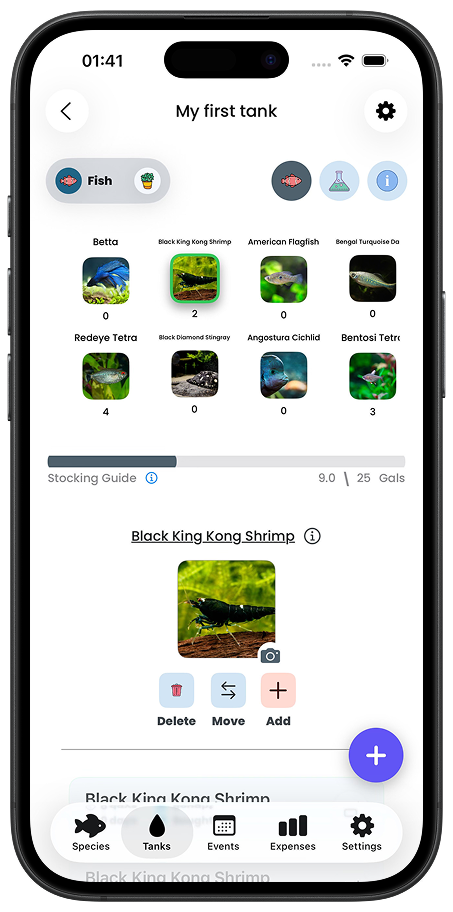
Track your aquarium's health and ensure your Gold Barb are thriving with the Fishi mobile app!
- ✓ Monitor water parameters for optimal Gold Barb health
- ✓ Get reminders for water changes and maintenance
- ✓ Track feeding schedules
- ✓ Log tank observations and fish behavior
- ✓ Manage multiple tanks effortlessly


Loved by over 100,000 fishkeepers