Golden Congo Tetra
Phenacogrammus aurantiacus
(72-79°F)
Care Requirements
💧 Water Parameters
🏠 Tank Setup
🍽️ Diet & Feeding
Omnivorous; prefers live foods but will accept high-quality flake and frozen foods.
🐟 Community Compatibility
Great addition to a peaceful community aquarium with ample space.
⚥ Sexual Dimorphism
Males display brighter colors and longer finnage.
🌍 Origin
Africa
About Golden Congo Tetra
Phenacogrammus aurantiacus, commonly known as the Golden Congo Tetra, is a stunning freshwater fish that adds a splash of vibrant color and lively activity to any aquarium. Native to the river systems of the Congo Basin, this species is closely related to the well-known Congo Tetra, Phenacogrammus interruptus, but is distinguished by its unique golden hue. The Golden Congo Tetra is admired for its shimmering scales that reflect light, creating a dazzling display in the water.
The body of the Golden Congo Tetra is elongated and somewhat translucent, allowing its internal colors to shine through. The fish is adorned with long, flowing fins that add to its graceful appearance, making it a favorite among aquarists seeking to create a visually captivating aquatic environment. The males typically display more intense colors and longer finnage than the females, a common trait among many tetra species that adds to the visual appeal of a school.
Golden Congo Tetras are schooling fish that thrive in groups, exhibiting natural behaviors and enhanced coloration when kept with conspecifics. A well-planted aquarium with ample swimming space is ideal for these active fish, as it closely mimics their natural habitat and provides areas for exploration and hiding. Floating plants and subdued lighting can also help to recreate the dappled light conditions of their native riverine environments, further enhancing their gold coloration.
The diet of the Golden Congo Tetra is omnivorous, including a variety of foods in the wild. In captivity, their dietary needs can be met with high-quality flake foods, micro pellets, and live or frozen foods such as brine shrimp, daphnia, and bloodworms. Providing a balanced diet is crucial for maintaining their health and vibrant colors.
Breeding the Golden Congo Tetra can be a challenge but is achievable with careful attention to water conditions and a nutritious diet. Like many tetras, they scatter their eggs among plants or a spawning mop, requiring no further parental care. The fry are small and require fine foods until they are large enough to accept larger fare.
Caring for the Golden Congo Tetra involves regular maintenance routines to ensure the water quality remains high, with frequent water changes and effective filtration. Their peaceful nature makes them excellent candidates for community tanks, where they can be kept with other similarly sized and non-aggressive fish species. However, their specific dietary, environmental, and social needs should be carefully considered to ensure a harmonious and healthy aquarium.
In summary, Phenacogrammus aurantiacus, or the Golden Congo Tetra, offers aquarists the opportunity to keep a small, peaceful, and beautifully colored species that adds both visual interest and activity to the freshwater aquarium. While their care requires attention to their dietary, environmental, and social needs, the rewards of keeping Golden Congo Tetras include the enjoyment of their striking appearance and the dynamic presence they bring to the aquatic setting, making them a favored choice for aquarists of all levels.
Ready to Add Golden Congo Tetra to Your Tank?
Use our free stocking calculator to see if Golden Congo Tetra fits your aquarium setup!
Try the Stocking CalculatorKeep Your Golden Congo Tetra Happy with Fishi
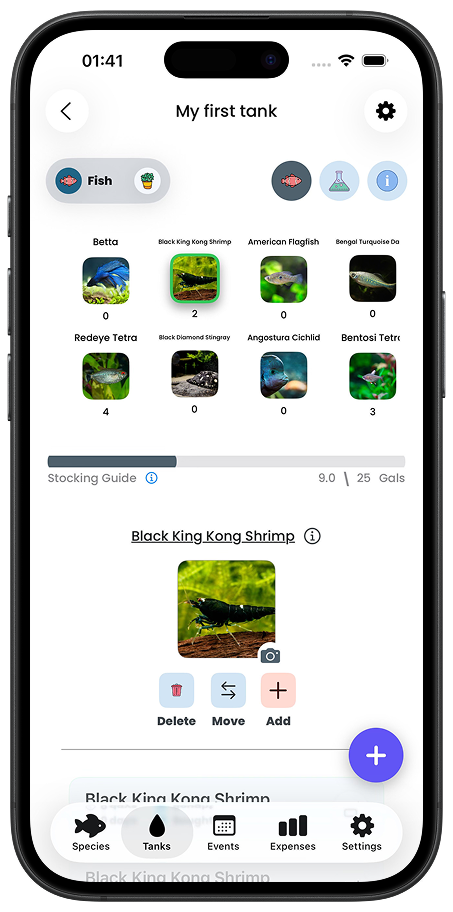
Track your aquarium's health and ensure your Golden Congo Tetra are thriving with the Fishi mobile app!
- ✓ Monitor water parameters for optimal Golden Congo Tetra health
- ✓ Get reminders for water changes and maintenance
- ✓ Track feeding schedules
- ✓ Log tank observations and fish behavior
- ✓ Manage multiple tanks effortlessly


Loved by over 100,000 fishkeepers