Hog-nosed Brochis
Corydoras (Brochis) multiradiatus
(72-79°F)
Care Requirements
💧 Water Parameters
🏠 Tank Setup
🍽️ Diet & Feeding
Omnivorous; feeds on bottom dwelling food sources including pellets and live foods.
🐟 Community Compatibility
Great for community tanks with peaceful fish, thrives in groups.
⚥ Sexual Dimorphism
Females tend to be larger and rounder.
🌍 Origin
South America
About Hog-nosed Brochis
The Hog-nosed Brochis, scientifically known as Corydoras (Brochis) multiradiatus, represents a fascinating and somewhat distinct member of the armored catfish family, often grouped under Corydoras due to taxonomic revisions but originally described in the genus Brochis. Native to the waterways of South America, particularly in Peru and Ecuador, this species is distinguished by its robust body, larger size compared to typical Corydoras species, and its distinctive "hog-nose," which gives the fish its common name.
Corydoras multiradiatus showcases a broad, high-backed body with a pronounced snout, which is not only characteristic but also functional, aiding in the foraging of food from the substrate. The body coloration of this species is generally a rich greenish-brown, with a metallic sheen that can vary under different lighting conditions, and is complemented by darker, mottled patterns that provide camouflage in their natural habitat. A key feature distinguishing them from other Corydoras species is their higher number of dorsal fin rays, which contributes to their scientific name "multiradiatus."
Hog-nosed Brochis are known for their peaceful and social nature, making them excellent candidates for community aquariums. They thrive in groups, exhibiting more natural and confident behaviors when kept with conspecifics or other Corydoras species. Their calm demeanor allows them to coexist harmoniously with a wide range of tank mates, including small to medium-sized peaceful fish.
In terms of care, Corydoras multiradiatus requires a setup that mimics their natural environment. This includes a soft, sandy substrate that allows them to forage without damaging their delicate barbels, along with ample hiding places provided by plants, driftwood, and caves. Water quality should be maintained at a high standard, with regular water changes to keep parameters stable, replicating the clean, well-oxygenated waters of their native streams and rivers.
Their diet in the wild consists mainly of small invertebrates and organic detritus. In captivity, they are not fussy eaters and will readily accept a variety of foods, including sinking pellets, flakes, frozen, and live foods. A varied diet will ensure optimal health and encourage their natural foraging behavior.
Breeding Hog-nosed Brochis can be achieved with some effort, following similar practices used for breeding Corydoras species. This involves conditioning the fish with high-quality foods and performing regular water changes to simulate the rainy season, which often triggers spawning. The female will lay eggs on the tank glass or vegetation, after which it is advisable to remove either the eggs or adults to ensure the survival of the fry.
Overall, Corydoras (Brochis) multiradiatus offers a unique aesthetic and behavioral addition to the freshwater aquarium. Their larger size, distinctive appearance, and engaging behaviors make them a favorite among aquarists looking to add a bit of diversity and activity to the bottom levels of their tanks. With proper care and attention to their needs, Hog-nosed Brochis can be a delightful and rewarding species to keep.
Ready to Add Hog-nosed Brochis to Your Tank?
Use our free stocking calculator to see if Hog-nosed Brochis fits your aquarium setup!
Try the Stocking CalculatorKeep Your Hog-nosed Brochis Happy with Fishi
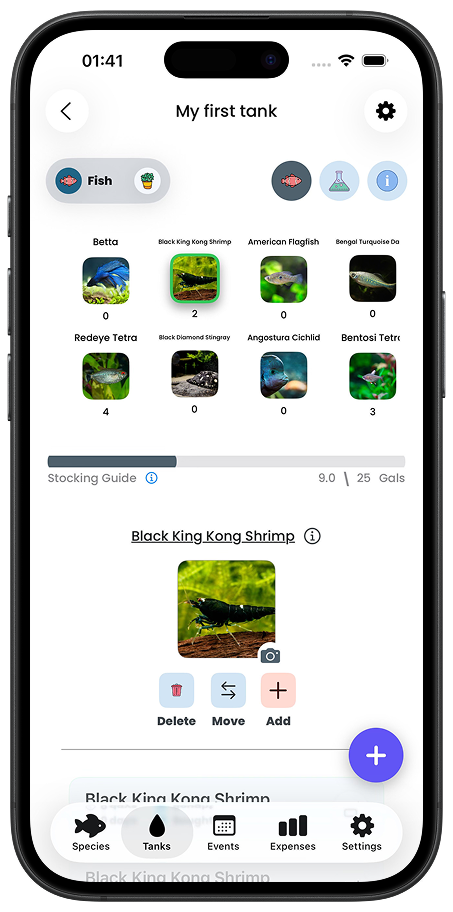
Track your aquarium's health and ensure your Hog-nosed Brochis are thriving with the Fishi mobile app!
- ✓ Monitor water parameters for optimal Hog-nosed Brochis health
- ✓ Get reminders for water changes and maintenance
- ✓ Track feeding schedules
- ✓ Log tank observations and fish behavior
- ✓ Manage multiple tanks effortlessly


Loved by over 100,000 fishkeepers