Hoplo Catfish
Megalechis thoracata
(72-79°F)
Care Requirements
💧 Water Parameters
🏠 Tank Setup
🍽️ Diet & Feeding
Omnivorous; consumes a varied diet of pellets, vegetables, and meaty foods.
🐟 Community Compatibility
Compatible with a wide range of community fish, prefers a tank with hiding spots.
⚥ Sexual Dimorphism
Females are bulkier than males.
🌍 Origin
South America
About Hoplo Catfish
The Hoplo Catfish, scientifically known as Megalechis thoracata, is a robust and peaceful freshwater species that originates from the vast river systems of South America, including the Amazon and Orinoco basins. This species is part of the Callichthyidae family, which is well-regarded for its hardy nature and distinctive armored plates that run along the body, providing an extra layer of protection against predators.
One of the most appealing aspects of the Hoplo Catfish is its temperament. Known for its peaceful and sociable nature, the Hoplo makes an excellent addition to a community aquarium. It can coexist harmoniously with a wide variety of other fish species, provided they are not overly aggressive or small enough to be considered prey. The Hoplo Catfish is particularly appreciated by aquarists for its ability to adapt to a range of tank conditions, making it suitable for beginners and experienced fish keepers alike.
The physical appearance of Megalechis thoracata is characterized by its dark brown or black body, adorned with lighter speckles or mottling, which can provide excellent camouflage against the substrate. Its body is covered in bony plates, and it has a pair of barbels around the mouth, which it uses to search for food along the bottom of the tank. Typically, Hoplo Catfish will grow to a manageable size in the aquarium, making them suitable for medium to large tanks.
In terms of care, the Hoplo Catfish is not particularly demanding. It requires an aquarium with enough space to swim and explore, along with a soft substrate that won't damage its delicate barbels. The tank should also include hiding places like driftwood, caves, and plants, mimicking the catfish's natural environment and providing a sense of security. While they are adaptable to various water conditions, maintaining clean, well-oxygenated water through regular water changes and proper filtration is crucial for their health.
The diet of the Hoplo Catfish is omnivorous, and in captivity, they should be offered a variety of foods to ensure a balanced diet. This can include high-quality sinking pellets, frozen or live foods like bloodworms and brine shrimp, and vegetable matter. Their nocturnal feeding habits mean that they are most active during the evening or night, so feeding them after the lights go out can ensure they receive adequate nutrition.
Breeding Hoplo Catfish in the home aquarium can be a challenging but rewarding experience. They are bubble nest builders, with the male constructing a nest at the water surface from plant debris and bubbles. After spawning, the male guards the eggs until they hatch, displaying fascinating parental behaviors. Creating the right conditions for breeding involves adjusting water parameters and providing an ample supply of live foods to induce spawning.
Overall, the Hoplo Catfish is a hardy, peaceful, and fascinating species that can add both beauty and interest to a community tank. Its ease of care, combined with its interesting behaviors and compatibility with a wide range of tank mates, makes it a popular choice among aquarium enthusiasts.
Ready to Add Hoplo Catfish to Your Tank?
Use our free stocking calculator to see if Hoplo Catfish fits your aquarium setup!
Try the Stocking CalculatorKeep Your Hoplo Catfish Happy with Fishi
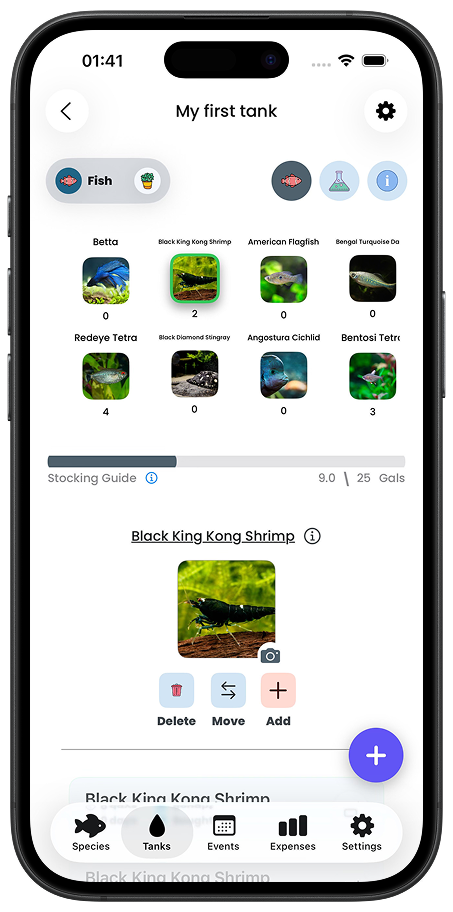
Track your aquarium's health and ensure your Hoplo Catfish is thriving with the Fishi mobile app!
- ✓ Monitor water parameters for optimal Hoplo Catfish health
- ✓ Get reminders for water changes and maintenance
- ✓ Track feeding schedules
- ✓ Log tank observations and fish behavior
- ✓ Manage multiple tanks effortlessly


Loved by over 100,000 fishkeepers