Hornet Tilapia
Heterotilapia buttikoferi
(75-82°F)
Care Requirements
💧 Water Parameters
🏠 Tank Setup
🍽️ Diet & Feeding
Omnivorous; accepts a wide variety of foods but requires a diet rich in vegetable matter.
🐟 Community Compatibility
Best in a species-specific setup or with large, similarly aggressive fish.
⚥ Sexual Dimorphism
Males are larger and more vividly colored.
🌍 Origin
West Africa
About Hornet Tilapia
The Hornet Tilapia, Heterotilapia buttikoferi, also known as Zebra Tilapia, is a striking freshwater fish native to the coastal rivers of West Africa, from Liberia to Sierra Leone. Known for its bold black and yellow striped body, this species commands attention in any aquarium setting. The striking contrast in its coloration not only makes it visually appealing but also serves as a warning to potential predators about its assertive nature.
Hornet Tilapia are robust and can grow to be quite substantial, making them suitable for larger aquariums. They are known for their territorial behavior, especially when breeding, which is typical of many cichlids. Their aggressive nature means they are best housed with other fish that can match their size and temper, or ideally, in a species-specific tank where their behavior can be managed more effectively.
In terms of habitat in captivity, Hornet Tilapia thrive in environments that mimic their natural riverine conditions. This includes plenty of space to swim and areas to establish territories, along with rock formations and robust plants that can withstand their digging and territorial activities. Water quality should be meticulously maintained, with regular changes to keep conditions optimal for their health.
Their diet in the wild consists largely of smaller fish and invertebrates, reflecting their predatory nature. In captivity, they should be fed a variety of foods including high-quality cichlid pellets, live or frozen foods like shrimp and bloodworms, and occasional vegetable matter to ensure a balanced diet that supports their health and vibrant coloration.
Breeding Hornet Tilapia can be quite an endeavor due to their aggressive nature during this time. They are substrate spawners, typically laying eggs on flattened surfaces such as rocks or directly in the sand. Both parents are involved in guarding the eggs and fry, displaying remarkable parental care that is fascinating to observe but also a period when their aggression can peak.
Conservation efforts are important for maintaining the natural populations of Heterotilapia buttikoferi, as habitat destruction and pollution pose ongoing threats to their native environments. Sustainable practices in both the aquarium trade and local habitat management are crucial to ensure the survival of this and other native West African species.
Overall, the Hornet Tilapia offers a mix of beauty and challenge, making it a captivating but demanding species for the more experienced aquarist who can cater to their specific care requirements and manage their aggressive tendencies effectively.
Ready to Add Hornet Tilapia to Your Tank?
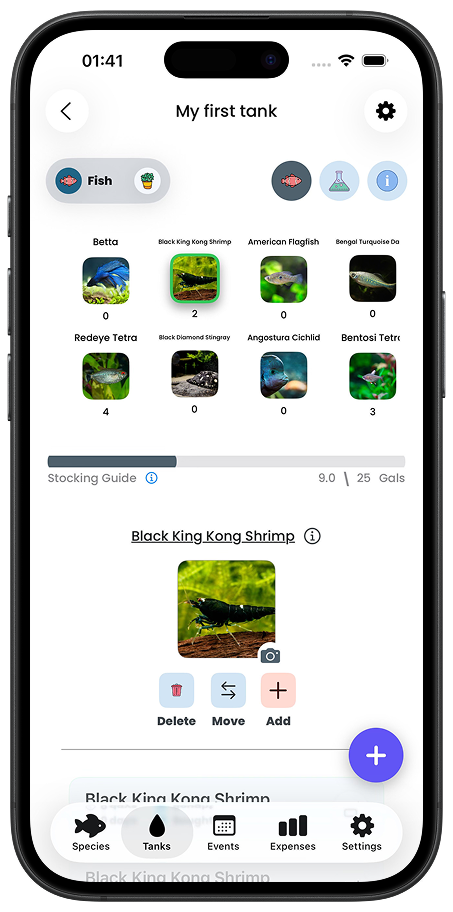
Use our free stocking calculator to see if Hornet Tilapia fits your aquarium setup!
Try the Stocking CalculatorKeep Your Hornet Tilapia Happy with Fishi
Track your aquarium's health and ensure your Hornet Tilapia is thriving with the Fishi mobile app!
- ✓ Monitor water parameters for optimal Hornet Tilapia health
- ✓ Get reminders for water changes and maintenance
- ✓ Track feeding schedules
- ✓ Log tank observations and fish behavior
- ✓ Manage multiple tanks effortlessly


Loved by over 100,000 fishkeepers