Hummingbird Tetra
Trochilocharax ornatus
(74-80°F)
Care Requirements
💧 Water Parameters
🏠 Tank Setup
🍽️ Diet & Feeding
Omnivorous; feeds on small insects and plant matter.
🐟 Community Compatibility
Ideal for community tanks with other small, peaceful fish.
⚥ Sexual Dimorphism
Females are slightly plumper.
🌍 Origin
South America
About Hummingbird Tetra
The Hummingbird Tetra, scientifically known as Trochilocharax ornatus, is a unique and relatively rare species of freshwater fish from the Amazon Basin in South America. This species is highly prized by aquarists for its small size, vibrant colors, and active behavior, making it a fascinating addition to nano aquariums and well-planted community tanks.
Hummingbird Tetras are characterized by their slender, elongated bodies and striking coloration. They typically display a shimmering, silvery base color with vibrant, iridescent blue and red markings along their bodies. These colors can vary depending on their mood, health, and lighting conditions, often appearing more intense when the fish are in optimal health. Their fins are generally clear or slightly tinted, adding to their delicate and attractive appearance.
In captivity, Hummingbird Tetras thrive in a well-maintained aquarium that replicates their natural habitat. A tank setup should include plenty of live plants, such as Java moss, Anubias, and floating plants, which provide cover and create a sense of security for these small, active fish. A dark substrate and subdued lighting can help enhance their colors and reduce stress.
Water conditions should be soft, slightly acidic to neutral, and well-filtered to maintain high water quality. Regular water changes are essential to keep the environment clean and stable, as Hummingbird Tetras are sensitive to fluctuations in water parameters.
Hummingbird Tetras are schooling fish and should be kept in groups of at least six or more to promote their well-being and natural behavior. Keeping them in a school not only reduces stress but also encourages their active and social nature, creating a more vibrant display in the aquarium. They are peaceful fish and can be housed with other small, non-aggressive species, making them ideal for community tanks.
Their diet should be varied to ensure they receive all the necessary nutrients. They readily accept high-quality flake foods, micro pellets, and live or frozen foods such as brine shrimp, daphnia, and bloodworms. Providing a mix of these foods will help maintain their health, vibrant colors, and energetic behavior.
Breeding Hummingbird Tetras in captivity can be challenging due to their specific environmental needs. They are egg scatterers, typically laying their eggs among fine-leaved plants. To encourage breeding, maintain optimal water conditions with slightly cooler water and provide plenty of fine-leaved plants or spawning mops. Once spawning occurs, it is advisable to remove the adults from the breeding tank to prevent them from eating the eggs. The eggs usually hatch within a few days, and the fry can be fed with infusoria or finely crushed flake food until they are large enough to accept standard fare.
Overall, the Hummingbird Tetra is an excellent choice for aquarists looking for a small, colorful, and peaceful species. Their striking appearance, gentle nature, and dynamic behavior make them a delightful addition to any well-maintained aquarium. With proper care and the right environment, they can thrive and bring a touch of vibrant beauty and lively activity to your aquatic setup.
Ready to Add Hummingbird Tetra to Your Tank?
Use our free stocking calculator to see if Hummingbird Tetra fits your aquarium setup!
Try the Stocking CalculatorKeep Your Hummingbird Tetra Happy with Fishi
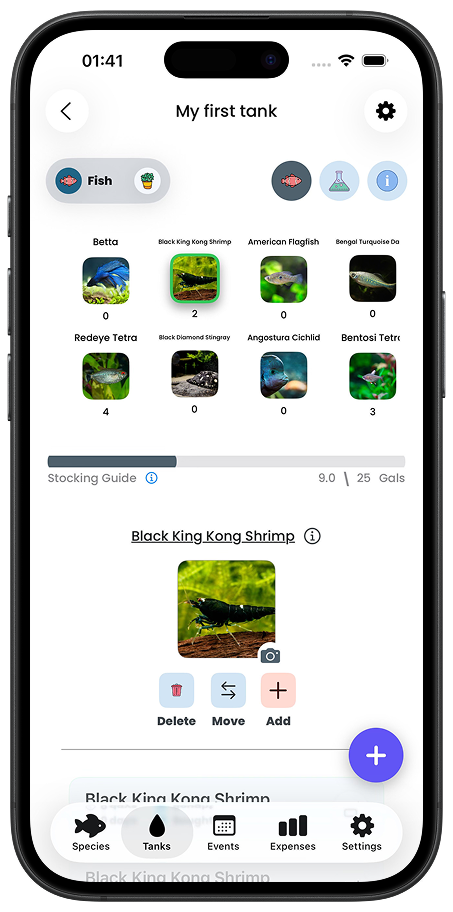
Track your aquarium's health and ensure your Hummingbird Tetra are thriving with the Fishi mobile app!
- ✓ Monitor water parameters for optimal Hummingbird Tetra health
- ✓ Get reminders for water changes and maintenance
- ✓ Track feeding schedules
- ✓ Log tank observations and fish behavior
- ✓ Manage multiple tanks effortlessly


Loved by over 100,000 fishkeepers