Humpback Puffer
Pao palembangensis
(74-82°F)
Care Requirements
💧 Water Parameters
🏠 Tank Setup
🍽️ Diet & Feeding
Carnivorous; thrives on a diet of snails, crustaceans, and worms.
🐟 Community Compatibility
Best kept in a species-specific tank or with large, peaceful species.
⚥ Sexual Dimorphism
Sexual dimorphism is not pronounced.
🌍 Origin
Southeast Asia
About Humpback Puffer
The Humpback Puffer, scientifically known as Pao palembangensis (previously Tetraodon palembangensis or commonly referred to as the Palembang puffer), is a unique species of freshwater pufferfish native to Southeast Asia. This puffer is particularly known for its distinctive body shape, featuring a pronounced humpback which becomes more evident as the fish matures. It's found in the slow-moving rivers and murky waters of Indonesia, particularly around Sumatra and Borneo.
Humpback Puffers have a somewhat subdued color palette, typically presenting a greyish to greenish body speckled with darker spots and blotches that aid in camouflage within their natural habitat. They possess the characteristic ability of puffers to inflate their bodies significantly when threatened, a defense mechanism against predators.
In captivity, Pao palembangensis requires a specific set of conditions to thrive due to its particular needs and sensitivity to water quality. The tank setup should ideally mimic their natural environment, which includes a soft substrate for burrowing and plenty of hiding places created with plants, rocks, or driftwood. The water should be kept clean and well-filtered, with regular changes to manage the nitrates and other pollutants, as puffers are particularly sensitive to poor water quality.
The diet of the Humpback Puffer should be varied and rich in hard-shelled foods to help wear down their continuously growing teeth. Their natural diet consists mainly of mollusks, crustaceans, and hard-shelled foods that facilitate this. In captivity, they can be fed snails, crabs, shrimp, and mussel meat. It's crucial to ensure these foods are part of their regular diet to prevent dental issues that could impair their ability to eat.
Breeding Pao palembangensis in captivity is extremely rare and not well-documented. Pufferfish, in general, have complex breeding behaviors that are difficult to replicate in home aquariums, often requiring specific environmental cues and conditions.
Conservation of the Humpback Puffer’s natural habitats is important as these regions face threats from pollution, habitat destruction, and the pet trade. Sustainable practices are essential to ensure the survival of this fascinating species in the wild.
For aquarists looking for a challenge, the Humpback Puffer offers a unique opportunity to care for a distinctive and interactive fish. However, their specific care requirements, sensitivity to water conditions, and dietary needs make them more suitable for experienced fishkeepers who can commit to providing the high level of care they require.
Ready to Add Humpback Puffer to Your Tank?
Use our free stocking calculator to see if Humpback Puffer fits your aquarium setup!
Try the Stocking CalculatorKeep Your Humpback Puffer Happy with Fishi
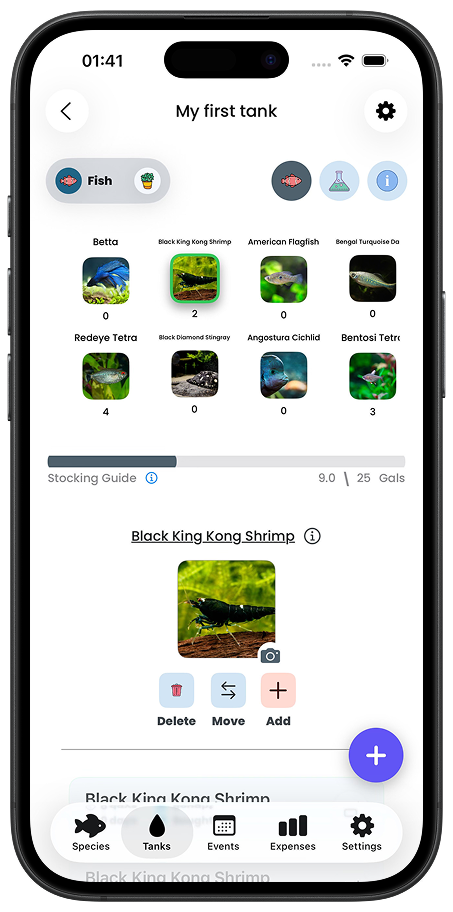
Track your aquarium's health and ensure your Humpback Puffer is thriving with the Fishi mobile app!
- ✓ Monitor water parameters for optimal Humpback Puffer health
- ✓ Get reminders for water changes and maintenance
- ✓ Track feeding schedules
- ✓ Log tank observations and fish behavior
- ✓ Manage multiple tanks effortlessly


Loved by over 100,000 fishkeepers