Inca Dwarf Cichlid
Apistogramma baenschi
(74-82°F)
Care Requirements
💧 Water Parameters
🏠 Tank Setup
🍽️ Diet & Feeding
Carnivorous; prefers live and frozen foods, with some vegetable matter.
🐟 Community Compatibility
Ideal for species-specific setups or with small, peaceful fish.
⚥ Sexual Dimorphism
Males are more colorful and larger.
🌍 Origin
South America
About Inca Dwarf Cichlid
The Inca Dwarf Cichlid, scientifically named Apistogramma baenschi, is a captivating and colorful freshwater fish native to the Amazon Basin, particularly in Peru. Known for its vibrant coloration and manageable size, this species is a popular choice among aquarists who appreciate dwarf cichlids for their beauty and intriguing behaviors.
Apistogramma baenschi typically displays a striking array of colors, with males often showing bright blues and yellows along their bodies and fins, and a notable orange to red coloration on the edge of their caudal fin. Females are generally less colorful but still possess a subtle beauty with softer hues. These fish have the typical dwarf cichlid body shape, being small and slender with elongated dorsal and anal fins.
In captivity, the Inca Dwarf Cichlid thrives in a well-structured tank that mimics their natural habitat. This includes plenty of hiding spots and territories created by caves, driftwood, and dense vegetation. The substrate should consist of fine sand or gravel, which allows them to exhibit natural behaviors such as digging. The water conditions should be kept stable, with a slight acidity and warm temperatures being ideal to replicate their tropical environment.
Diet-wise, Apistogramma baenschi are not particularly demanding but do best with a varied diet that includes high-quality flakes or pellets supplemented with small live or frozen foods such as brine shrimp, daphnia, and bloodworms. This diet helps in maintaining their vibrant coloration and overall health.
Breeding the Inca Dwarf Cichlid can be a rewarding experience as they are cave spawners. The breeding process involves the male displaying intense colors to attract a female to his territory, where she will lay her eggs in a carefully cleaned cave. The female typically guards the eggs and fry while the male protects the territory. Breeding these fish successfully in captivity requires attention to water quality and providing an environment that offers both security for the fry and space for the adults.
Conservation concerns are vital to consider, as habitat destruction and pollution in their native Amazonian streams may threaten wild populations. Sustainable practices in both keeping and breeding Apistogramma baenschi can help alleviate pressure on natural stocks.
Overall, the Inca Dwarf Cichlid is a delightful addition to any aquarium, especially for those interested in South American cichlids. Their bright colors, interesting behaviors, and relatively peaceful nature make them suitable for a variety of community tank setups, provided their specific care needs are met.
Ready to Add Inca Dwarf Cichlid to Your Tank?
Use our free stocking calculator to see if Inca Dwarf Cichlid fits your aquarium setup!
Try the Stocking CalculatorKeep Your Inca Dwarf Cichlid Happy with Fishi
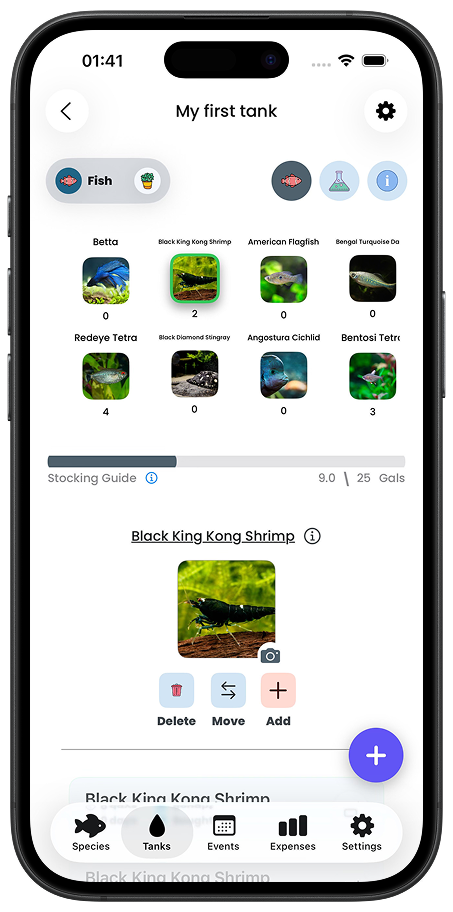
Track your aquarium's health and ensure your Inca Dwarf Cichlid is thriving with the Fishi mobile app!
- ✓ Monitor water parameters for optimal Inca Dwarf Cichlid health
- ✓ Get reminders for water changes and maintenance
- ✓ Track feeding schedules
- ✓ Log tank observations and fish behavior
- ✓ Manage multiple tanks effortlessly


Loved by over 100,000 fishkeepers