Indian Dwarf Spineless Eel
Pillaia indica
(72-79°F)
Care Requirements
💧 Water Parameters
🏠 Tank Setup
🍽️ Diet & Feeding
Carnivorous; requires a diet of small live foods and frozen varieties.
🐟 Community Compatibility
Suitable for community tanks with peaceful species, requires hiding spots.
⚥ Sexual Dimorphism
Sexual dimorphism is not pronounced.
🌍 Origin
India
About Indian Dwarf Spineless Eel
The Indian Dwarf Spineless Eel, scientifically known as Pillaia indica, is a unique and lesser-known species of freshwater fish native to the streams and rivers of India. This species is particularly intriguing due to its eel-like appearance and relatively small size, which makes it a subject of interest for aquarists who appreciate unusual and rare fish.
Pillaia indica has a slender, elongated body with a smooth, scaleless skin, resembling an eel but belonging to a different group of fish. It typically displays a brownish or grayish color with a lighter underbelly, helping it blend into the sandy or muddy substrates of its natural habitat. Its small size and lack of true spines (hence "spineless") differentiate it from other eel-like fishes.
In the aquarium, Indian Dwarf Spineless Eels require specific care to thrive. They are best housed in a setup that mimics their natural environment, which includes a soft, sandy substrate that allows them to burrow and hide as they would in the wild. The tank should also have plenty of hiding spots created with rocks, wood, and dense vegetation. These conditions not only provide security but also mimic the structural complexity of their native streams.
Water quality is crucial for maintaining the health of Pillaia indica. The water should be kept clean and well-oxygenated with gentle filtration that does not produce strong currents, as these fish prefer slow-moving waters. Regular water changes are essential to maintain the water parameters within an ideal range and to prevent the accumulation of pollutants.
The diet of the Indian Dwarf Spineless Eel should include a variety of foods to ensure proper nutrition. They are primarily carnivorous, feeding on small invertebrates in their natural habitat. In captivity, their diet can consist of small live or frozen foods such as bloodworms, tubifex worms, and brine shrimp. It's important to ensure that the food items are small enough for them to ingest easily.
Breeding Pillaia indica in captivity is not well documented and may pose a challenge due to the lack of specific information on their reproductive behaviors. As with many rare species, replicating the exact conditions required for spawning may require careful observation and experimentation.
Conservation is important for Pillaia indica, as their natural habitats are susceptible to pollution, habitat destruction, and the impacts of human activity. Sustainable practices in both keeping and breeding these fish in captivity can help alleviate pressure on wild populations.
Overall, the Indian Dwarf Spineless Eel offers an opportunity for advanced aquarists to care for a truly unusual species. Their unique appearance and secretive nature make them a fascinating addition to a specialized freshwater aquarium, particularly for those dedicated to providing the careful environment and care these rare fish require.
Ready to Add Indian Dwarf Spineless Eel to Your Tank?
Use our free stocking calculator to see if Indian Dwarf Spineless Eel fits your aquarium setup!
Try the Stocking CalculatorKeep Your Indian Dwarf Spineless Eel Happy with Fishi
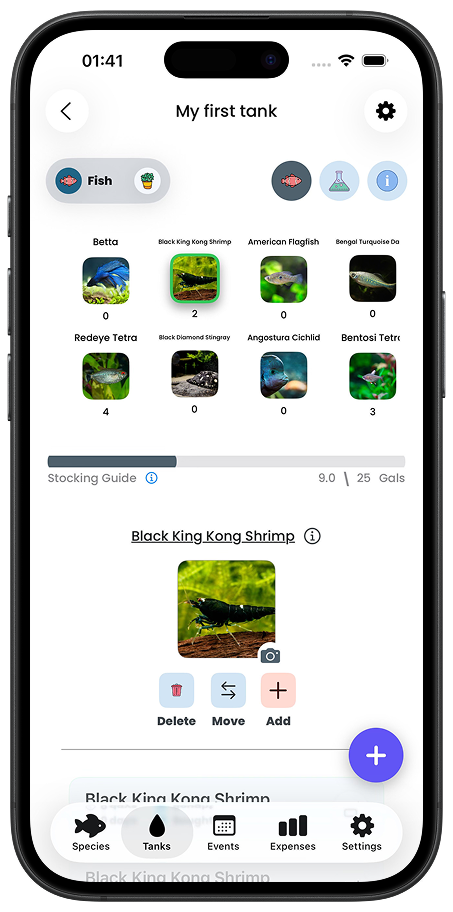
Track your aquarium's health and ensure your Indian Dwarf Spineless Eel is thriving with the Fishi mobile app!
- ✓ Monitor water parameters for optimal Indian Dwarf Spineless Eel health
- ✓ Get reminders for water changes and maintenance
- ✓ Track feeding schedules
- ✓ Log tank observations and fish behavior
- ✓ Manage multiple tanks effortlessly


Loved by over 100,000 fishkeepers