Kuhli Loach
Pangio kuhlii
(75-86°F)
Care Requirements
💧 Water Parameters
🏠 Tank Setup
🍽️ Diet & Feeding
Carnivorous. They primarily feed on small invertebrates, worms, and insect larvae. Provide a varied diet including sinking pellets, frozen or live foods such as bloodworms, brine shrimp, and small crustaceans.
🐟 Community Compatibility
Kuhli Loaches are peaceful and can be kept with other small, peaceful community fish such as tetras, rasboras, gouramis, and small catfish. Avoid keeping them with aggressive or fin-nipping species. Provide plenty of hiding spots, plants, and soft substrates for their comfort.
⚥ Sexual Dimorphism
Males are usually slimmer and smaller than females.
🌍 Origin
Southeast Asia
About Kuhli Loach
Kuhli loaches, also known as coolie loaches or leopard loaches, are unique and fascinating freshwater fish that belong to the family Cobitidae. Originating from Southeast Asia, particularly in the rivers and swamps of Indonesia and Malaysia, they have become popular additions to tropical aquariums due to their interesting appearance and behavior.
Kuhli loaches have an eel-like body shape with long and slender bodies. They have a series of narrow brown or black bands that run horizontally across their pale yellow or pinkish skin, giving them a distinctive leopard-like pattern. Their undersides are lighter in color. They have small barbels around their mouth, which they use to search for food in the substrate.
Caring for kuhli loaches involves providing them with a suitable environment that mimics their natural habitat. It is recommended to keep them in a well-established aquarium with hiding spots such as caves, plants, or driftwood. Kuhli loaches are primarily bottom-dwellers, so providing a sandy substrate is ideal for them to burrow and explore.
Kuhli loaches are peaceful and social fish that are best kept in groups of at least six individuals. They are known for their nocturnal habits and spend most of the day hiding in the substrate or in caves. Once the lights are dimmed, they become more active and can be observed swimming and foraging throughout the aquarium.
Feeding kuhli loaches is relatively easy as they are omnivorous and will accept a variety of foods. They primarily feed on small invertebrates, insect larvae, worms, and plant matter. In the aquarium, they can be fed a varied diet consisting of high-quality sinking pellets, frozen or live foods such as bloodworms, brine shrimp, and small earthworms. They will also scavenge for leftover food in the substrate.
Kuhli loaches are peaceful and compatible with a wide range of community fish species that are not aggressive or prone to fin-nipping. However, caution should be exercised when selecting tank mates, as larger or more active fish may inadvertently harm or stress them. They can coexist with other bottom-dwelling fish like Corydoras catfish or small peaceful species like tetras, gouramis, or rasboras.
Breeding kuhli loaches in the aquarium is challenging and not commonly achieved. They are egg layers, and their breeding behavior in captivity is poorly understood. It is believed that they require specific conditions such as the presence of caves or pipes for spawning. Successful breeding attempts often require a separate breeding tank and careful monitoring.
In conclusion, kuhli loaches are intriguing and peaceful fish that can add diversity and activity to a tropical aquarium. Their unique appearance and behavior make them a captivating addition to community tanks. By providing them with appropriate tank conditions, a varied diet, and compatible tank mates, kuhli loaches can thrive and become an interesting and entertaining part of your aquatic setup.
Ready to Add Kuhli Loach to Your Tank?
Use our free stocking calculator to see if Kuhli Loach fits your aquarium setup!
Try the Stocking CalculatorKeep Your Kuhli Loach Happy with Fishi
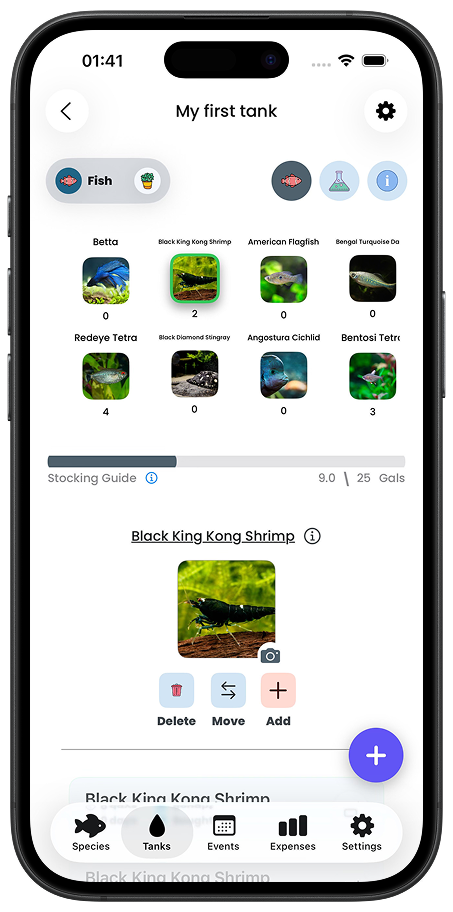
Track your aquarium's health and ensure your Kuhli Loach are thriving with the Fishi mobile app!
- ✓ Monitor water parameters for optimal Kuhli Loach health
- ✓ Get reminders for water changes and maintenance
- ✓ Track feeding schedules
- ✓ Log tank observations and fish behavior
- ✓ Manage multiple tanks effortlessly


Loved by over 100,000 fishkeepers