Leopard Corydoras C102
Corydoras sp. 'C102'
(72-79°F)
Care Requirements
💧 Water Parameters
🏠 Tank Setup
🍽️ Diet & Feeding
Omnivorous; thrives on a balanced diet of high-quality sinking pellets, flake foods, and live or frozen foods such as bloodworms, daphnia, and brine shrimp.
🐟 Community Compatibility
Ideal for community tanks with other small, peaceful fish. Their calm nature makes them compatible with a wide variety of tank mates including tetras, rasboras, and small peaceful cichlids.
⚥ Sexual Dimorphism
Females are generally larger and have a rounder body shape compared to males, especially when viewed from above.
🌍 Origin
South America
About Leopard Corydoras C102
The Leopard Corydoras, designated as C102 in the aquarium trade, is an alluring and somewhat elusive species within the Corydoras genus. While not officially described in scientific literature, this designation helps hobbyists and collectors identify and communicate about this specific variety. Originating from freshwater habitats in South America, likely from areas within or near the Amazon Basin, the Leopard Corydoras is named for its distinctive patterning that resembles the spots of a leopard, featuring a combination of dark spots and blotches on a lighter background.
This species, like other Corydoras, is a bottom-dwelling fish known for its peaceful demeanor and social nature. They thrive in groups, exhibiting more confident and natural behaviors when kept with conspecifics or other Corydoras species. The social structure and interactions within these groups can be fascinating to observe, making them a favorite among aquarists for both their aesthetic appeal and engaging behavior.
The aquarium setup for Leopard Corydoras should aim to replicate their natural environment as closely as possible. This includes providing a soft, sandy substrate to protect their delicate barbels, which they use to sift through the substrate in search of food. The tank should also include plenty of hiding spots and areas of refuge, using plants, driftwood, and caves to create a secure and enriching environment. While Corydoras are known for their adaptability, maintaining clean, well-oxygenated water with gentle filtration is crucial for their health and wellbeing.
Diet-wise, Leopard Corydoras are omnivorous, requiring a balanced diet that includes a variety of foods. In the wild, their diet consists of small invertebrates, worms, and plant matter. In captivity, they should be provided with high-quality sinking pellets or tablets, along with regular offerings of live or frozen foods such as bloodworms, brine shrimp, and daphnia. This varied diet helps ensure they receive all the necessary nutrients for optimal health.
Breeding Leopard Corydoras in captivity can be a rewarding experience, though it may require some effort to replicate the conditions that trigger spawning behavior. This typically involves performing water changes with cooler water to mimic the onset of the rainy season in their natural habitat, coupled with feeding high-quality live foods to condition the breeding pairs. Corydoras are egg layers, with females depositing eggs on the aquarium glass, plants, or decor, which the males then fertilize. The eggs usually hatch within a few days, and the fry can be raised on a diet of infusoria or commercially available fry foods until they are large enough to accept larger foods.
Caring for Leopard Corydoras involves regular tank maintenance, including water changes and monitoring of water parameters to ensure a clean and stable environment. Their peaceful nature and small size make them suitable for community tanks, where they can coexist with other peaceful fish species. However, care should be taken to avoid aggressive or overly large tank mates that may bully or stress these gentle bottom dwellers.
In summary, Corydoras sp. 'C102', or the Leopard Corydoras, offers aquarists the opportunity to keep a visually striking and behaviorally interesting species that adds both beauty and activity to the freshwater aquarium. While their care requires attention to dietary, environmental, and social needs, the rewards of keeping Leopard Corydoras include the enrichment of the aquarium with their peaceful presence and the enjoyment of their natural foraging and schooling behaviors.
Ready to Add Leopard Corydoras C102 to Your Tank?
Use our free stocking calculator to see if Leopard Corydoras C102 fits your aquarium setup!
Try the Stocking CalculatorKeep Your Leopard Corydoras C102 Happy with Fishi
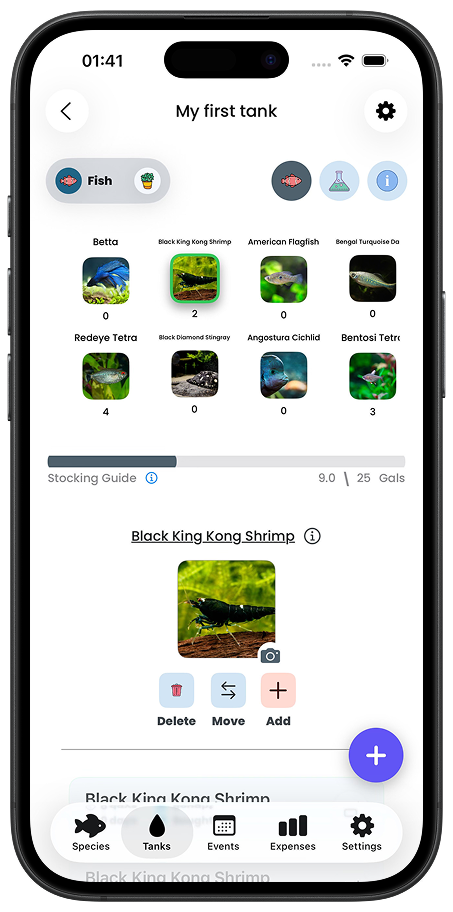
Track your aquarium's health and ensure your Leopard Corydoras C102 are thriving with the Fishi mobile app!
- ✓ Monitor water parameters for optimal Leopard Corydoras C102 health
- ✓ Get reminders for water changes and maintenance
- ✓ Track feeding schedules
- ✓ Log tank observations and fish behavior
- ✓ Manage multiple tanks effortlessly


Loved by over 100,000 fishkeepers