Leopard Ctenopama
Ctenopoma acutirostre
(72-80°F)
Care Requirements
💧 Water Parameters
🏠 Tank Setup
🍽️ Diet & Feeding
Carnivorous; feeds on small fish and invertebrates.
🐟 Community Compatibility
Can be kept with similarly sized peaceful to semi-aggressive fish that it cannot eat.
⚥ Sexual Dimorphism
Males may display brighter colors and larger size during breeding season.
🌍 Origin
Africa
About Leopard Ctenopama
The Leopard Ctenopoma, Ctenopoma acutirostre, also known as the Spotted Climbing Perch or Leopard Bush Fish, is a captivating freshwater species native to the densely vegetated rivers and streams of Central and West Africa. Belonging to the Anabantidae family, which includes the gouramis and bettas, this species is admired for its adaptability, intriguing behavior, and striking appearance, making it a favorite among aquarium enthusiasts.
Characterized by its elongated body and adorned with a mottled pattern of dark spots and blotches against a lighter background, the Leopard Ctenopoma's appearance is reminiscent of a leopard's coat, hence its common name. The species possesses a labyrinth organ, a unique structure that allows it to breathe atmospheric air directly, enabling it to survive in oxygen-poor water conditions where other fish might struggle.
Typically reaching a moderate size in captivity, Leopard Ctenopomas require a well-structured aquarium that mimics their natural habitat. This includes plenty of hiding spots provided by rocks, driftwood, and dense vegetation, as well as a lid to prevent escape, given their ability to jump when startled. The water conditions should be maintained with a focus on cleanliness and stability, with regular water changes to ensure their health and well-being.
The Leopard Ctenopoma is a predatory species, feeding on a variety of live and frozen foods such as insects, worms, crustaceans, and small fish in the wild. In captivity, their diet should reflect this, providing a balanced and nutritious mix of foods to satisfy their carnivorous appetite. Despite their predatory nature, they are generally peaceful towards fish of similar size, making them suitable for community tanks with other non-aggressive species that are not small enough to be considered prey.
Breeding Leopard Ctenopomas in captivity can be challenging but rewarding, requiring specific conditions and careful management. The process involves simulating the rainy season conditions of their natural habitat, which triggers spawning behavior. The male typically builds a bubble nest for the eggs, which he then guards diligently until they hatch.
Conservation efforts are essential for maintaining the natural habitats of the Leopard Ctenopoma, as deforestation, pollution, and habitat destruction pose threats to their populations in the wild. Sustainable practices and awareness can help ensure the survival of this and many other unique freshwater species.
For aquarists looking to add a touch of the exotic to their tanks, the Leopard Ctenopoma offers an intriguing combination of beauty, behavior, and adaptability. Their care requires a commitment to providing a suitable environment and diet, making them best suited for intermediate to experienced fish keepers who can appreciate and meet the needs of this remarkable species.
Ready to Add Leopard Ctenopama to Your Tank?
Use our free stocking calculator to see if Leopard Ctenopama fits your aquarium setup!
Try the Stocking CalculatorKeep Your Leopard Ctenopama Happy with Fishi
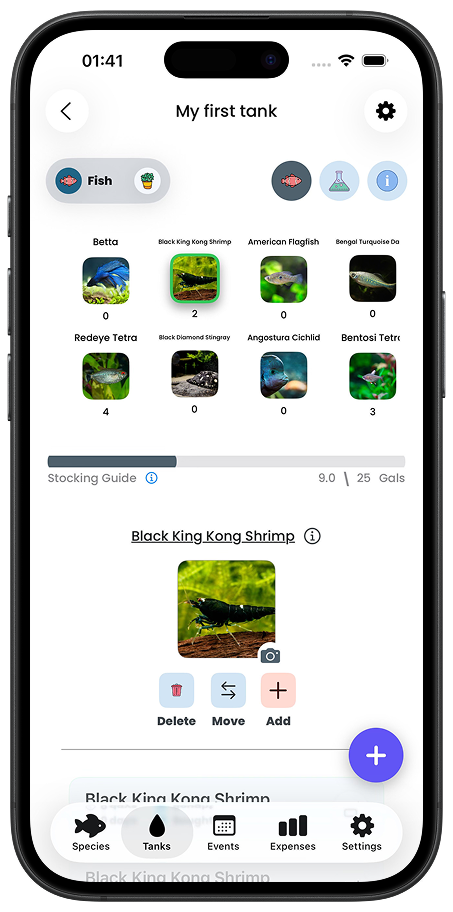
Track your aquarium's health and ensure your Leopard Ctenopama is thriving with the Fishi mobile app!
- ✓ Monitor water parameters for optimal Leopard Ctenopama health
- ✓ Get reminders for water changes and maintenance
- ✓ Track feeding schedules
- ✓ Log tank observations and fish behavior
- ✓ Manage multiple tanks effortlessly


Loved by over 100,000 fishkeepers