Lesser Spiny Eel
Macrognathus aculeatus
(74-80°F)
Care Requirements
💧 Water Parameters
🏠 Tank Setup
🍽️ Diet & Feeding
Carnivorous; prefers live foods but can adapt to frozen and pellet foods.
🐟 Community Compatibility
Best kept in a species-specific setup or with large, peaceful fish.
⚥ Sexual Dimorphism
Difficult to distinguish sexes visually.
🌍 Origin
Asia
About Lesser Spiny Eel
The Lesser Spiny Eel, scientifically known as Macrognathus aculeatus, is a captivating and somewhat elusive species found in freshwater environments across South and Southeast Asia. This eel-like fish is known for its slender body, pointed snout, and the spines beneath its eyes, which are used defensively and give the species its common name.
Macrognathus aculeatus typically features a light brown or tan body with darker vertical stripes or bands that enhance its camouflage in natural settings. The body is elongated and flexible, allowing it to navigate through tight spaces and burrow into the substrate, a behavior that is typical for many spiny eel species. They can grow to a moderate size, making them a suitable choice for medium to large aquariums.
In captivity, the Lesser Spiny Eel thrives in a tank that mimics its natural habitat. This includes a soft, sandy substrate that facilitates their burrowing behavior. The aquarium should also have plenty of hiding places provided by rocks, wood, and dense vegetation. These structures not only offer shelter but also replicate the complexity of their natural environment, helping to reduce stress for the fish.
Water quality is crucial for maintaining the health of the Lesser Spiny Eel. The water should be clean and well-oxygenated, with a moderate flow that mimics their native riverine habitats. Regular water changes and efficient filtration are necessary to maintain ideal water conditions, especially given their sensitivity to pollutants and changes in water chemistry.
The diet of the Lesser Spiny Eel should be varied and primarily carnivorous. In the wild, they feed on small invertebrates, worms, and insects. In the aquarium, their diet can include live or frozen foods such as bloodworms, brine shrimp, and tubifex worms. They may also accept sinking pellets or tablets formulated for carnivorous species. It's important to ensure that food reaches the bottom of the tank where these eels spend most of their time.
Breeding Macrognathus aculeatus in captivity is rarely reported and can be challenging. They are known to be substrate spawners in the wild, laying eggs in hidden locations. Successfully breeding them requires an understanding of their specific breeding behaviors and environmental triggers, which may involve changes in water level or temperature to simulate seasonal floods in their native habitat.
Conservation concerns for Macrognathus aculeatus include habitat destruction and pollution in their native regions. Sustainable practices in the aquarium trade are essential to ensure that wild populations are not adversely affected by overharvesting for ornamental purposes.
Overall, the Lesser Spiny Eel is a fascinating addition to the home aquarium, particularly for aquarists interested in more unusual and behaviorally interesting species. Their care requirements and natural behaviors make them best suited for experienced fishkeepers who can provide the specialized care and environment these unique fish require.
Ready to Add Lesser Spiny Eel to Your Tank?
Use our free stocking calculator to see if Lesser Spiny Eel fits your aquarium setup!
Try the Stocking CalculatorKeep Your Lesser Spiny Eel Happy with Fishi
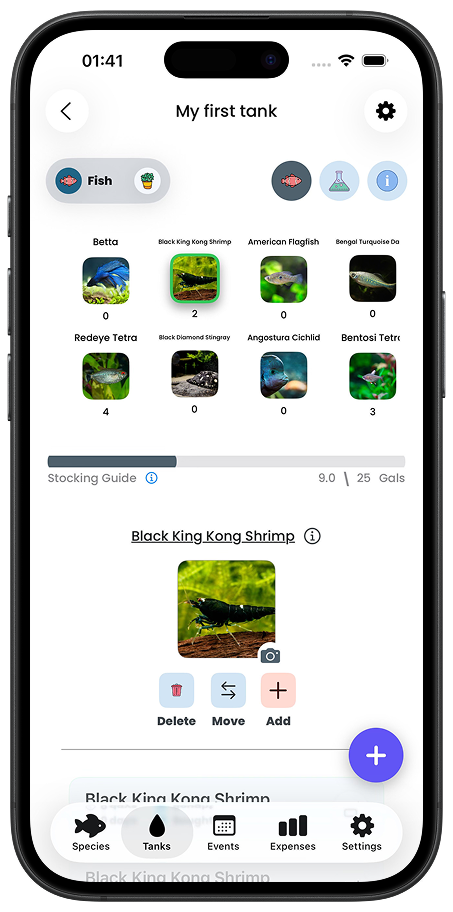
Track your aquarium's health and ensure your Lesser Spiny Eel is thriving with the Fishi mobile app!
- ✓ Monitor water parameters for optimal Lesser Spiny Eel health
- ✓ Get reminders for water changes and maintenance
- ✓ Track feeding schedules
- ✓ Log tank observations and fish behavior
- ✓ Manage multiple tanks effortlessly


Loved by over 100,000 fishkeepers