Loach Catfish
Amblyceps foratum
(68-77°F)
Care Requirements
💧 Water Parameters
🏠 Tank Setup
🍽️ Diet & Feeding
Carnivorous; prefers live and frozen foods, especially at night.
🐟 Community Compatibility
Best kept in a species-specific setup or with large, peaceful fish.
⚥ Sexual Dimorphism
Sexual dimorphism is subtle.
🌍 Origin
Asia
About Loach Catfish
The Loach Catfish, scientifically known as Amblyceps foratum, is a relatively obscure and intriguing species of freshwater catfish native to the fast-flowing rivers and streams of South Asia. This species is part of the Amblycipitidae family, which is known for its small size and slender, elongated bodies adapted to life in strong currents.
Amblyceps foratum typically features a streamlined body that helps it navigate through rapid waters where it is commonly found. It has a light brown or tan coloration that blends seamlessly with the riverbed, providing excellent camouflage against predators. The body is adorned with darker patches or markings that enhance this effect. Like other members of its family, the Loach Catfish has barbels around its mouth, which are used to detect food in the substrate.
In captivity, the Loach Catfish requires an aquarium setup that mimics the flowing waters of its natural habitat. A tank for Amblyceps foratum should include a substrate of fine sand or gravel to replicate the riverbed and be equipped with a strong filtration system to maintain a steady current. Additionally, the aquarium should feature plenty of hiding spots created from rocks and driftwood to provide shelter and reduce stress.
Water quality is critical for the health of the Loach Catfish. The water should be clean, well-oxygenated, and maintained within a neutral pH range. Regular water changes are essential to keep the environment free from pollutants and to simulate the clean, oxygen-rich waters of a fast-flowing river.
Diet-wise, Amblyceps foratum is predominantly carnivorous, feeding on small invertebrates, worms, and crustaceans in the wild. In the aquarium, their diet should include a variety of high-quality sinking pellets, flakes, and live or frozen foods such as bloodworms, brine shrimp, and tubifex worms. Ensuring a balanced diet is vital for their health and vigor.
Breeding the Loach Catfish in captivity is not commonly reported and can be quite challenging due to their specific environmental needs and subtle breeding cues. Natural breeding likely involves seasonal changes in water flow and temperature, which might be difficult to replicate in a home aquarium setting.
Overall, Amblyceps foratum is a fascinating fish for dedicated aquarists looking to add a unique and somewhat challenging species to their collection. Its care requirements, coupled with its interesting behavior and adaptation to fast-flowing environments, make it a rewarding choice for those willing to provide the specialized care it needs.
Ready to Add Loach Catfish to Your Tank?
Use our free stocking calculator to see if Loach Catfish fits your aquarium setup!
Try the Stocking CalculatorKeep Your Loach Catfish Happy with Fishi
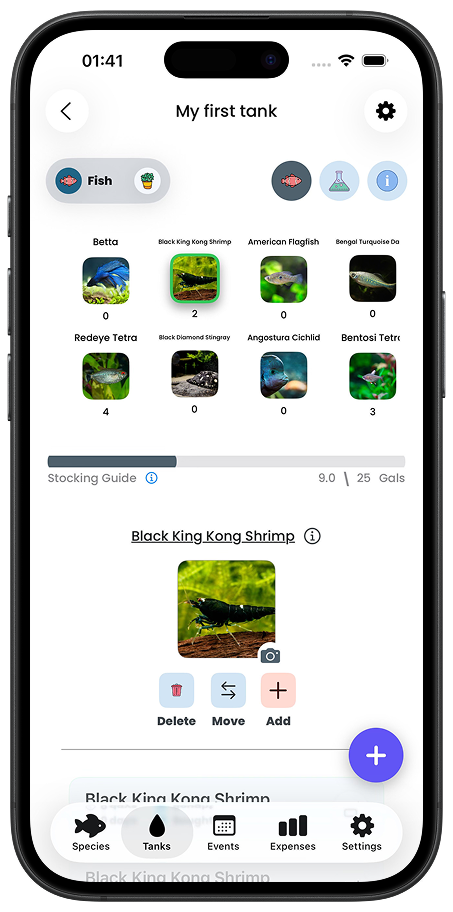
Track your aquarium's health and ensure your Loach Catfish is thriving with the Fishi mobile app!
- ✓ Monitor water parameters for optimal Loach Catfish health
- ✓ Get reminders for water changes and maintenance
- ✓ Track feeding schedules
- ✓ Log tank observations and fish behavior
- ✓ Manage multiple tanks effortlessly


Loved by over 100,000 fishkeepers