Longfin Bristlenose Pleco
Ancistrus sp.
(72-82°F)
Care Requirements
💧 Water Parameters
🏠 Tank Setup
🍽️ Diet & Feeding
Herbivorous, primarily feeds on algae and vegetable matter. They also accept sinking pellets, wafers, and occasional live or frozen foods like bloodworms or brine shrimp.
🐟 Community Compatibility
Peaceful Community fish.
⚥ Sexual Dimorphism
Males have bristle-like tentacles on their heads and grow larger than females. Females are typically rounder-bodied.
🌍 Origin
South America
About Longfin Bristlenose Pleco
The longfin bristlenose pleco, Ancistrus sp., is one of those fish that manages to look both prehistoric and elegant at the same time. With its armored body, wide head, and flowing fins, it has a presence that immediately stands out in any freshwater aquarium. The longfin variety takes everything people already like about the classic bristlenose pleco and adds a graceful, almost dramatic touch, with fins that trail behind it as it moves across glass, wood, and rocks. Unlike many other plecos that grow very large, bristlenose plecos stay a manageable size, which makes them a popular and practical choice for home aquariums. What really gives this fish its character, though, is its behavior. Bristlenose plecos are mostly peaceful, quiet residents that prefer to go about their business without bothering anyone. They spend much of their time attached to surfaces, slowly grazing on algae and biofilm, and they’re especially active during the evening and night. Males develop the signature “bristles” on their heads as they mature, giving them a slightly alien but fascinating look, while females usually have smaller or no bristles at all. Over time, many aquarists grow quite fond of their pleco’s steady, purposeful routine. In terms of usefulness, the longfin bristlenose pleco earns its place in the aquarium. It’s an excellent algae grazer and helps keep surfaces cleaner, especially in planted or community tanks. While it shouldn’t be relied on as the only form of maintenance, it definitely reduces the amount of algae that builds up and adds to the overall balance of the tank. Driftwood is an important part of its environment, not only as a hiding place but also as something it can rasp on, which seems to be part of its natural behavior and helps keep it healthy.
Caring for a longfin bristlenose pleco is generally straightforward, which is another reason it’s so widely recommended. It appreciates stable, clean water and a diet that includes algae wafers, blanched vegetables, and some protein-rich foods from time to time. Given the right conditions, they can also be bred in the home aquarium, often using caves or hollow pieces of wood as spawning sites. Watching the male guard the eggs and later the wrigglers is a fascinating glimpse into a side of fish behavior many people don’t expect to see.
All in all, the longfin bristlenose pleco is a fish that combines practicality with personality. It’s useful, hardy, and visually interesting, without being overly demanding or aggressive. Whether you’re looking for a reliable algae eater or just want a unique and slightly quirky centerpiece for the bottom of your tank, this pleco has a way of quietly becoming one of the most appreciated inhabitants in the aquarium.
Ready to Add Longfin Bristlenose Pleco to Your Tank?
Use our free stocking calculator to see if Longfin Bristlenose Pleco fits your aquarium setup!
Try the Stocking CalculatorKeep Your Longfin Bristlenose Pleco Happy with Fishi
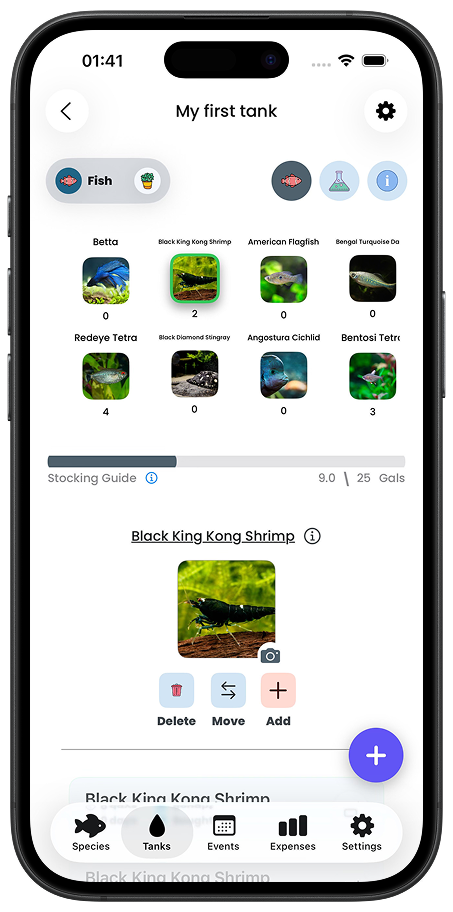
Track your aquarium's health and ensure your Longfin Bristlenose Pleco is thriving with the Fishi mobile app!
- ✓ Monitor water parameters for optimal Longfin Bristlenose Pleco health
- ✓ Get reminders for water changes and maintenance
- ✓ Track feeding schedules
- ✓ Log tank observations and fish behavior
- ✓ Manage multiple tanks effortlessly


Loved by over 100,000 fishkeepers