Loreto Cory
Corydoras loretoensis
(72-79°F)
Care Requirements
💧 Water Parameters
🏠 Tank Setup
🍽️ Diet & Feeding
Omnivorous; feeds on bottom dwelling food sources including pellets and live foods.
🐟 Community Compatibility
Great for community tanks with peaceful fish, thrives in groups.
⚥ Sexual Dimorphism
Females tend to be larger and rounder.
🌍 Origin
South America
About Loreto Cory
The Loreto Cory, scientifically known as Corydoras loretoensis, is a relatively small and charming species of freshwater catfish native to the river systems of Loreto in Peru. This species belongs to the diverse Corydoradinae subfamily, which is popular among aquarium enthusiasts for their peaceful nature and intriguing bottom-dwelling behaviors.
Corydoras loretoensis typically features a delicate, light beige or silvery body adorned with a pattern of darker patches or bands, which provide camouflage against the substrate of its natural riverine habitat. The fish has a stocky build with a slightly rounded snout, which is not as elongated as some of its Corydoras relatives. Like other members of its genus, the Loreto Cory possesses barbels around the mouth area, which are used to sift through the substrate for food.
In captivity, the Loreto Cory thrives in conditions that closely mimic its natural environment. The aquarium should have a soft, sandy substrate to facilitate their natural foraging behavior and to protect their sensitive barbels from abrasion. The tank should also include plenty of hiding spots and areas of low vegetation, as these fish enjoy the security of cover and are often more active and visible when they feel safe.
Water quality is critical for maintaining the health of Corydoras loretoensis. The water should be kept clean and well-oxygenated, with a neutral pH and moderate hardness. Regular maintenance, including frequent water changes and efficient filtration, is essential to keep the tank environment stable and free of harmful toxins.
The diet of the Loreto Cory should be varied and balanced, comprising high-quality sinking pellets or tablets designed for bottom feeders. This should be supplemented with live or frozen foods such as bloodworms, brine shrimp, and daphnia, which help provide a more complete nutritional profile. Occasional vegetable supplements can also be offered to mimic the diverse diet they would encounter in the wild.
Breeding Corydoras loretoensis can be achieved under the right conditions. They are egg layers, typically scattering their eggs on the tank glass, vegetation, or decor after a ritualistic courting display involving a series of tactile and visual signals from both the male and the female. To encourage breeding, simulate a slight drop in temperature and increase water changes, mimicking the rainy season conditions of their natural habitat.
Overall, the Loreto Cory is a delightful addition to any community aquarium, particularly for aquarists looking to add some peaceful and industrious bottom dwellers to their setup. Their care requirements are straightforward, making them suitable for both novice and experienced fish keepers who can provide the necessary conditions for their well-being.
Ready to Add Loreto Cory to Your Tank?
Use our free stocking calculator to see if Loreto Cory fits your aquarium setup!
Try the Stocking CalculatorKeep Your Loreto Cory Happy with Fishi
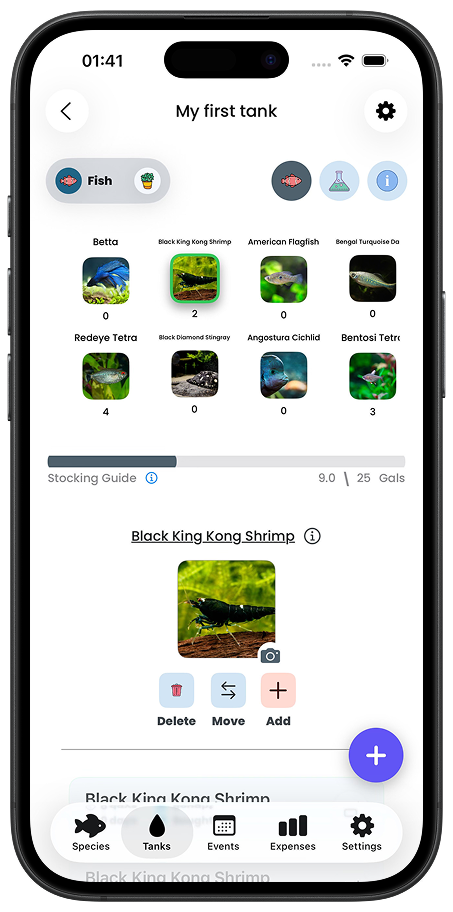
Track your aquarium's health and ensure your Loreto Cory are thriving with the Fishi mobile app!
- ✓ Monitor water parameters for optimal Loreto Cory health
- ✓ Get reminders for water changes and maintenance
- ✓ Track feeding schedules
- ✓ Log tank observations and fish behavior
- ✓ Manage multiple tanks effortlessly


Loved by over 100,000 fishkeepers