Mackerel Barb
Opsarius pulchellus
(72-77°F)
Care Requirements
💧 Water Parameters
🏠 Tank Setup
🍽️ Diet & Feeding
Omnivorous; feeds on a mix of flake foods, live, and frozen foods.
🐟 Community Compatibility
A hardy schooling fish, ideal for community tanks with other peaceful species.
⚥ Sexual Dimorphism
Males may display brighter colors during spawning season.
🌍 Origin
Asia
About Mackerel Barb
The Mackerel Barb, scientifically known as Opsarius pulchellus, is an elegant and lesser-known species of freshwater fish native to the rivers and streams of South Asia, particularly found in India. This barb is appreciated by aquarium enthusiasts for its sleek appearance and active swimming behavior.
Opsarius pulchellus has a streamlined body with a striking coloration that includes a silvery base with hints of iridescence. It also features distinctive, horizontal stripes that run along the length of its body, reminiscent of the pattern found on mackerels, hence its common name. This sleek and shiny appearance, combined with their graceful swimming, makes them a visually appealing addition to any aquarium.
In captivity, Mackerel Barbs thrive in an environment that provides plenty of space for schooling and swimming. They are active fish that do best in groups, as schooling is a natural behavior that enhances their sense of security and overall well-being. The aquarium should include open areas for swimming as well as some planted sections that mimic their natural habitat. These plants offer shelter and break lines of sight, reducing stress and aggression among tank mates.
Water quality is important for maintaining the health of Opsarius pulchellus. The tank water should be kept clean and well-oxygenated with a gentle flow to mimic their riverine environment. Regular maintenance, including water changes and efficient filtration, is essential to keep the environment healthy and stable.
Diet-wise, Mackerel Barbs are not particularly fussy eaters and will accept a variety of foods. However, their diet should primarily consist of high-quality flake or pellet foods supplemented regularly with small live or frozen foods such as daphnia, brine shrimp, or bloodworms. These additions provide the necessary nutrients and help maintain their health and vibrant appearance.
Breeding Opsarius pulchellus in captivity is possible but can be challenging, as it requires precise conditions. Like many barbs, they scatter their eggs among vegetation or on the substrate. Creating a conducive breeding environment involves providing fine-leaved plants and slightly altering water conditions to mimic the onset of the rainy season, which often triggers spawning in the wild.
Overall, the Mackerel Barb is a beautiful and active fish that can add dynamism and sparkle to a community aquarium. Their care is straightforward enough for moderately experienced aquarists, making them a rewarding choice for those looking to diversify their aquarium with less common species.
Ready to Add Mackerel Barb to Your Tank?
Use our free stocking calculator to see if Mackerel Barb fits your aquarium setup!
Try the Stocking CalculatorKeep Your Mackerel Barb Happy with Fishi
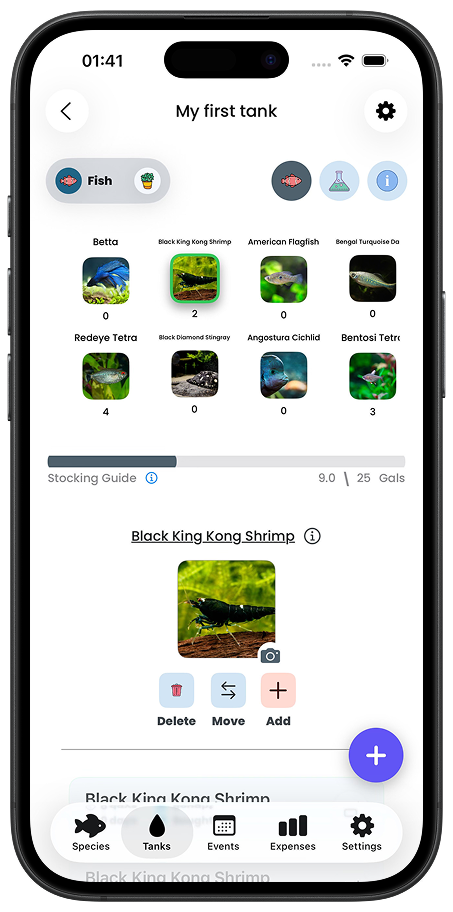
Track your aquarium's health and ensure your Mackerel Barb are thriving with the Fishi mobile app!
- ✓ Monitor water parameters for optimal Mackerel Barb health
- ✓ Get reminders for water changes and maintenance
- ✓ Track feeding schedules
- ✓ Log tank observations and fish behavior
- ✓ Manage multiple tanks effortlessly


Loved by over 100,000 fishkeepers