Madagascar Rainbowfish
Bedotia madagascariensis
(68-77°F)
Care Requirements
💧 Water Parameters
🏠 Tank Setup
🍽️ Diet & Feeding
Omnivorous; accepts flake foods, live, and frozen foods.
🐟 Community Compatibility
A peaceful schooling fish, suitable for community tanks with other peaceful species.
⚥ Sexual Dimorphism
Males display more vivid colors.
🌍 Origin
Madagascar
About Madagascar Rainbowfish
The Madagascar Rainbowfish, scientifically known as Bedotia madagascariensis, is a striking and colorful freshwater fish native to the rivers and streams of Madagascar. This species is part of the Bedotiidae family and is appreciated for its vibrant appearance and lively behavior, making it a desirable addition to many community aquariums.
Bedotia madagascariensis typically features a slender, elongated body with an iridescent sheen that can display a range of colors from blue and green to red and orange, depending on the lighting and the fish's mood. The most distinct markings include a series of vertical bars along the body, which add to their visual appeal. The males are generally more brightly colored and slightly larger than the females, with more pronounced finnage.
In captivity, the Madagascar Rainbowfish thrives in a well-planted aquarium that provides plenty of space for swimming. They are active swimmers and enjoy being in groups, so a spacious tank is necessary to accommodate their social and active nature. To mimic their natural habitat, the aquarium should have a current and be densely planted with areas for hiding and exploring. Floating plants can also be beneficial, providing shade and additional cover.
The water conditions for keeping Bedotia madagascariensis should be well-maintained, with a preference for slightly acidic to neutral pH and moderate hardness. Regular water changes are crucial to keep the water clean and free from toxins. These fish are adaptable but will show their best colors and behaviors in clean, stable water conditions.
The diet of the Madagascar Rainbowfish should be varied and nutritious. In the wild, they primarily feed on small insects and crustaceans. In the aquarium, their diet can include high-quality flake foods, supplemented with live or frozen foods such as brine shrimp, daphnia, and bloodworms. This varied diet helps ensure they receive all necessary nutrients and maintains their vibrant colors.
Breeding Bedotia madagascariensis can be a rewarding experience. They are egg scatterers, spawning among plants or in fine-leaved vegetation. The breeding tank should be set up with ample plant cover and slightly softer water to encourage spawning. After spawning, it is recommended to remove the adults to prevent them from eating the eggs.
While not currently endangered, the natural habitats of the Madagascar Rainbowfish are under threat due to environmental changes and habitat destruction in Madagascar. Conservation efforts and sustainable practices in the aquarium trade are essential to ensure the survival of this beautiful and unique species in both their native habitat and in captivity.
Overall, the Madagascar Rainbowfish offers aquarists a glimpse into the diverse aquatic life of Madagascar and makes an excellent choice for those looking to add some color and activity to their community tanks. Their care requirements are straightforward, making them suitable for both novice and experienced fish keepers who can provide the necessary conditions for these lively and colorful fish.
Ready to Add Madagascar Rainbowfish to Your Tank?
Use our free stocking calculator to see if Madagascar Rainbowfish fits your aquarium setup!
Try the Stocking CalculatorKeep Your Madagascar Rainbowfish Happy with Fishi
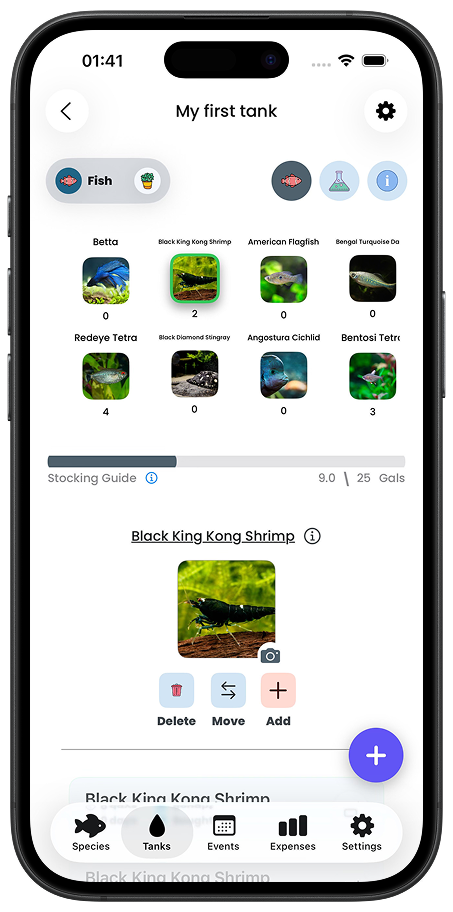
Track your aquarium's health and ensure your Madagascar Rainbowfish are thriving with the Fishi mobile app!
- ✓ Monitor water parameters for optimal Madagascar Rainbowfish health
- ✓ Get reminders for water changes and maintenance
- ✓ Track feeding schedules
- ✓ Log tank observations and fish behavior
- ✓ Manage multiple tanks effortlessly


Loved by over 100,000 fishkeepers