Paroon Shark
Pangasius sanitwongsei
(72-82°F)
Care Requirements
💧 Water Parameters
🏠 Tank Setup
🍽️ Diet & Feeding
Omnivorous; prefers a varied diet including pellets, live, and plant matter.
🐟 Community Compatibility
Can be kept with other large, peaceful to semi-aggressive species.
⚥ Sexual Dimorphism
Males and females are similar in appearance.
🌍 Origin
Southeast Asia
About Paroon Shark
The Paroon Shark, scientifically known as Pangasius sanitwongsei, is a captivating freshwater species native to the river systems of Southeast Asia. Despite its common name, the Paroon Shark is not a true shark but rather a type of catfish. It's highly regarded among aquarium enthusiasts for its sleek, shark-like appearance, characterized by a silver-gray body and elongated fins.
In their natural habitat, Paroon Sharks are found in large, fast-flowing rivers where they lead a migratory lifestyle, moving between different river sections and floodplains according to the seasons. This species is known for its substantial growth potential and gregarious nature, often traveling in groups.
One of the most distinctive features of the Paroon Shark is its adaptability to various water conditions in the wild, which includes a remarkable ability to tolerate changes in water flow and quality. However, replicating a suitable environment in captivity presents significant challenges due to their size and active swimming behavior. A considerably large tank with ample swimming space and strong filtration is essential to meet their needs, making them more suitable for public aquariums or experienced aquarists with the capability to provide such conditions.
The diet of Paroon Sharks in the wild consists mainly of smaller fish, crustaceans, and plant material, reflecting their omnivorous nature. In captivity, their diet should be varied and nutritionally balanced, including high-quality pellets, live or frozen foods, and vegetable matter to ensure their health and well-being.
Breeding Paroon Sharks in a home aquarium setting is exceedingly rare and not well-documented, largely due to the challenges associated with their size and the specific environmental conditions required for spawning. In nature, their breeding is closely linked to the seasonal flooding of rivers, a condition difficult to replicate in captivity.
While the Paroon Shark is an impressive and beautiful species, potential keepers must be aware of the long-term commitment required to care for these fish properly. Their large size and specific care requirements necessitate a level of dedication and resources that is not feasible for most hobbyists. Moreover, their status as a potentially vulnerable species due to habitat loss and overfishing in their native habitats emphasizes the importance of responsible ownership and conservation efforts.
In summary, the Paroon Shark is a magnificent freshwater species that offers a unique opportunity to observe some of the more remarkable aspects of aquatic life. However, the challenges associated with their care in captivity highlight the need for careful consideration before undertaking the responsibility of keeping such a demanding and large species.
Ready to Add Paroon Shark to Your Tank?
Use our free stocking calculator to see if Paroon Shark fits your aquarium setup!
Try the Stocking CalculatorKeep Your Paroon Shark Happy with Fishi
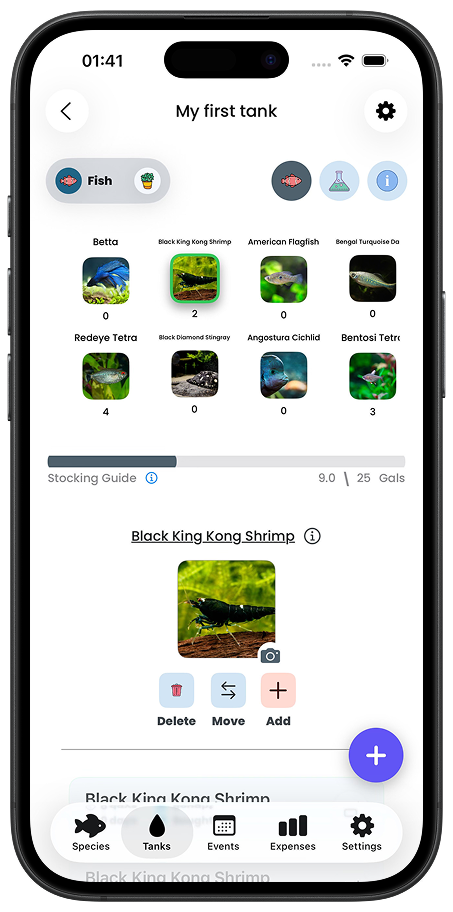
Track your aquarium's health and ensure your Paroon Shark is thriving with the Fishi mobile app!
- ✓ Monitor water parameters for optimal Paroon Shark health
- ✓ Get reminders for water changes and maintenance
- ✓ Track feeding schedules
- ✓ Log tank observations and fish behavior
- ✓ Manage multiple tanks effortlessly


Loved by over 100,000 fishkeepers