Red-bellied Piranha
Pygocentrus nattereri
(75-82°F)
Care Requirements
💧 Water Parameters
🏠 Tank Setup
🍽️ Diet & Feeding
Carnivorous; feeds on meaty foods including fish, insects, and prepared foods.
🐟 Community Compatibility
Known for their aggressive behavior, best kept in species-specific tanks or large community tanks with caution.
⚥ Sexual Dimorphism
Sexual dimorphism is not pronounced.
🌍 Origin
South America
About Red-bellied Piranha
The Red-bellied Piranha, Pygocentrus nattereri, is one of the most recognized and misunderstood freshwater fish species, native to the rivers and floodplains of South America, particularly the Amazon Basin. This species has garnered a fearsome reputation through popular culture, which often exaggerates their aggression and danger to humans. However, in their natural habitat and under proper care in aquariums, Red-bellied Piranhas exhibit complex behaviors and social structures that are fascinating to observe.
Characterized by its robust body, the Red-bellied Piranha has a silvery hue with a distinctive red or orange underbelly, more vibrant in juveniles and somewhat paler in adults. The fish is equipped with a powerful jaw and sharp, triangular teeth, perfectly adapted for slicing through its prey. Despite their reputation, Red-bellied Piranhas are primarily scavengers and opportunistic feeders in the wild, consuming fish, insects, and crustaceans, along with occasional plant matter.
In the aquarium, Red-bellied Piranhas require a spacious tank to accommodate their swimming needs and potential growth. They are schooling fish by nature and should ideally be kept in groups to reflect their social behavior in the wild, which can also help minimize aggression within the tank. The aquarium environment should mimic their natural riverine habitat, with a focus on clean, well-oxygenated water, and areas of dense vegetation or hiding spots.
The diet of Red-bellied Piranhas in captivity should be varied and include a mix of meaty foods to ensure proper nutrition. This can include fish, shrimp, and worms, alongside high-quality commercial pellets formulated for carnivorous fish. It's important to feed them appropriately to avoid overfeeding and maintain water quality.
Breeding Red-bellied Piranhas in captivity can be challenging due to the need for specific water conditions and the difficulty in distinguishing between males and females. Breeding usually occurs during the rainy season in their natural habitat, when the fish lay eggs in nests excavated in the substrate. The parents exhibit protective behaviors towards the eggs and fry, a fascinating aspect of their behavior that can sometimes be observed in well-maintained aquariums.
Despite their notoriety, Red-bellied Piranhas are complex creatures that require understanding and respect to be kept successfully in captivity. Potential owners should be aware of the responsibilities involved in caring for these fish, including providing a suitable environment, appropriate diet, and managing their social dynamics. With proper care, Red-bellied Piranhas can be a captivating addition to a specialized aquarium, offering a unique glimpse into the diverse aquatic life of South America.
Ready to Add Red-bellied Piranha to Your Tank?
Use our free stocking calculator to see if Red-bellied Piranha fits your aquarium setup!
Try the Stocking CalculatorKeep Your Red-bellied Piranha Happy with Fishi
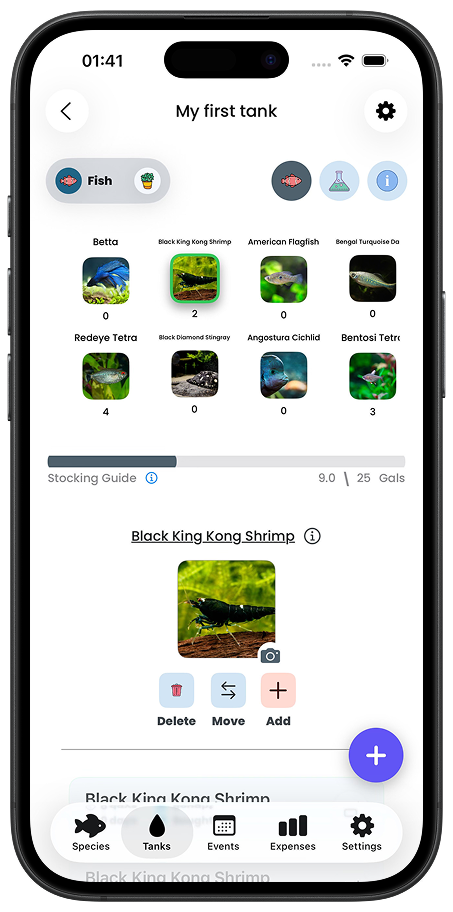
Track your aquarium's health and ensure your Red-bellied Piranha is thriving with the Fishi mobile app!
- ✓ Monitor water parameters for optimal Red-bellied Piranha health
- ✓ Get reminders for water changes and maintenance
- ✓ Track feeding schedules
- ✓ Log tank observations and fish behavior
- ✓ Manage multiple tanks effortlessly


Loved by over 100,000 fishkeepers