Red Wolf Fish
Erythrinus erythrinus
(75-82°F)
Care Requirements
💧 Water Parameters
🏠 Tank Setup
🍽️ Diet & Feeding
Carnivorous; feeds on live foods and meaty frozen varieties.
🐟 Community Compatibility
Best kept alone due to its aggressive nature towards tank mates.
⚥ Sexual Dimorphism
Males may display more vivid colors.
🌍 Origin
South America
About Red Wolf Fish
The Red Wolf Fish, Erythrinus erythrinus, also known as the Rainbow Wolf Fish or simply the Red Wolf, is a striking freshwater species native to the tropical and subtropical regions of South America, particularly found in slow-moving waters and floodplains across countries like Brazil, Venezuela, and the Guianas. This species belongs to the Erythrinidae family, which is noted for its members' robust bodies, predatory nature, and impressive agility in their natural habitats.
Characterized by its powerful, elongated body and distinctive reddish coloration interspersed with darker spots or bands, the Red Wolf Fish is a formidable predator in its environment. It possesses a large head with a wide mouth equipped with sharp teeth, designed for seizing and consuming prey, which includes fish, crustaceans, and occasionally, other small aquatic animals.
In captivity, the Red Wolf Fish requires a spacious aquarium to accommodate its size and active behavior. The tank setup should mimic the fish's natural habitat, featuring plenty of hiding spots such as caves, driftwood, and dense vegetation, along with a substrate of sand or fine gravel. Given its predatory nature, care should be taken when selecting tank mates, as smaller fish are likely to be viewed as potential food. Ideally, the Red Wolf Fish should be kept singly or with other large, robust species that can hold their own.
Water quality is paramount for the health of the Red Wolf Fish, with clean, well-oxygenated water maintained within the appropriate temperature and pH range for tropical freshwater species. Regular water changes and efficient filtration are essential to keep the environment clean and stable.
The diet of the Red Wolf Fish in captivity should reflect its carnivorous appetite, including a variety of live or frozen foods such as feeder fish, shrimp, worms, and high-quality pellets or chunks of meaty foods. It's important to offer a balanced diet to ensure the fish receives all necessary nutrients for optimal health.
Breeding the Red Wolf Fish in captivity is challenging and rarely achieved, primarily due to the difficulty in replicating the specific environmental conditions and triggers required for spawning. Little is known about their reproductive behavior in the wild, including any specific rituals or nesting habits.
Conservation efforts are crucial for preserving the natural habitats of Erythrinus erythrinus and other native species, as habitat destruction, pollution, and overfishing pose significant threats to their populations. Sustainable practices and awareness can help ensure the survival of this unique species and the biodiversity of South America's freshwater ecosystems.
For aquarists seeking a truly unique and robust predatory fish, the Red Wolf Fish offers an intriguing choice. However, its care requires a dedicated and experienced approach, with a commitment to providing an appropriate environment, diet, and respect for its natural behaviors and requirements.
Ready to Add Red Wolf Fish to Your Tank?
Use our free stocking calculator to see if Red Wolf Fish fits your aquarium setup!
Try the Stocking CalculatorKeep Your Red Wolf Fish Happy with Fishi
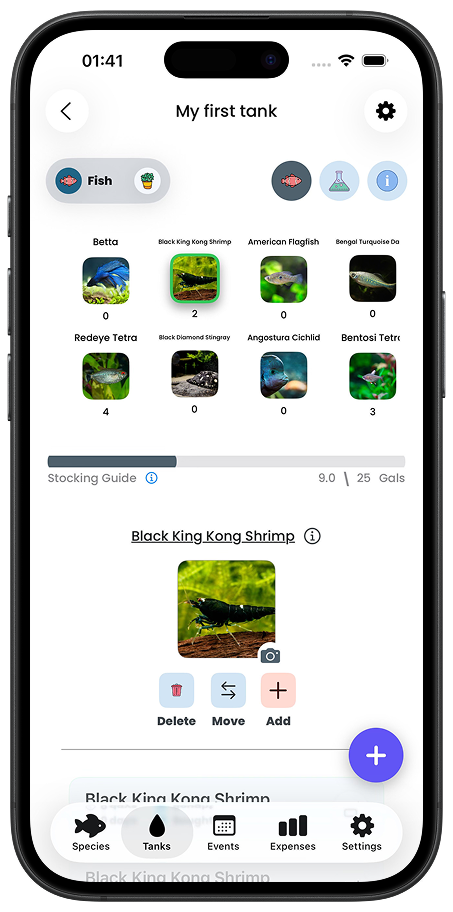
Track your aquarium's health and ensure your Red Wolf Fish is thriving with the Fishi mobile app!
- ✓ Monitor water parameters for optimal Red Wolf Fish health
- ✓ Get reminders for water changes and maintenance
- ✓ Track feeding schedules
- ✓ Log tank observations and fish behavior
- ✓ Manage multiple tanks effortlessly


Loved by over 100,000 fishkeepers