Short Fin Bichir
Polypterus palmas
(76-86°F)
Care Requirements
💧 Water Parameters
🏠 Tank Setup
🍽️ Diet & Feeding
Carnivorous; feeds on meaty foods including live and frozen varieties.
🐟 Community Compatibility
Ideal for tanks with large, peaceful fish, providing hiding spaces is recommended.
⚥ Sexual Dimorphism
Males are generally slimmer than females.
🌍 Origin
Africa
About Short Fin Bichir
The Short Fin Bichir, scientifically known as Polypterus palmas, is a fascinating species belonging to the ancient family Polypteridae, native to the freshwater habitats of West and Central Africa. This species, along with others in the Polypteridae family, captivates enthusiasts with its prehistoric appearance and intriguing behaviors, making it a distinctive addition to the aquarium.
Polypterus palmas is characterized by its elongated body, covered in thick, ganoid scales that act as armor, and a series of dorsal finlets which run along its back, contributing to its ancient, dragon-like appearance. The "short fin" designation refers to its relatively shorter pectoral fins compared to other bichir species, a feature that distinguishes Polypterus palmas within the genus. This species typically exhibits a coloration of dark brown to black with lighter, often yellowish markings, which can vary among individuals.
In their natural environment, Short Fin Bichirs are adaptable, capable of thriving in a variety of aquatic conditions, from clear streams to murky swamps. Their ability to breathe atmospheric air using a specialized lung-like structure enables them to survive in oxygen-depleted waters, a testament to their resilience and evolutionary adaptation.
For aquarists wishing to keep Short Fin Bichirs, providing an environment that closely mimics their natural habitat is crucial. A spacious aquarium with a soft substrate is recommended to accommodate their size and protect their undersides. The tank should also offer plenty of hiding places, such as caves, driftwood, and plants, to cater to their nocturnal and somewhat reclusive nature. Importantly, the aquarium must be securely covered, as bichirs are known to be skilled escape artists.
The diet of Polypterus palmas in captivity should be rich in protein, incorporating a mix of live, frozen, and prepared foods. Options like bloodworms, brine shrimp, and high-quality carnivorous pellets can provide the necessary nutrients for their health and well-being. Feeding should be done in the evening or at night to align with their natural predatory behavior.
Breeding Short Fin Bichirs in the home aquarium is a rare achievement, often requiring extensive knowledge of their breeding behavior and specific environmental conditions that are challenging to replicate. In the wild, changes in water level and temperature associated with seasonal flooding are thought to trigger spawning.
Conservation efforts are essential for the protection of Polypterus palmas and their habitats, as they face threats from habitat destruction, pollution, and the pet trade. Sustainable practices and responsible pet ownership are crucial to ensuring the survival of this ancient species for future generations.
Overall, the Short Fin Bichir offers aquarists a glimpse into the distant past, with its unique morphological features and behaviors that have persisted through millions of years of evolution. Providing proper care for Polypterus palmas requires dedication, but for those willing to meet their needs, these ancient fish can be a rewarding and fascinating addition to the aquarium.
Ready to Add Short Fin Bichir to Your Tank?
Use our free stocking calculator to see if Short Fin Bichir fits your aquarium setup!
Try the Stocking CalculatorKeep Your Short Fin Bichir Happy with Fishi
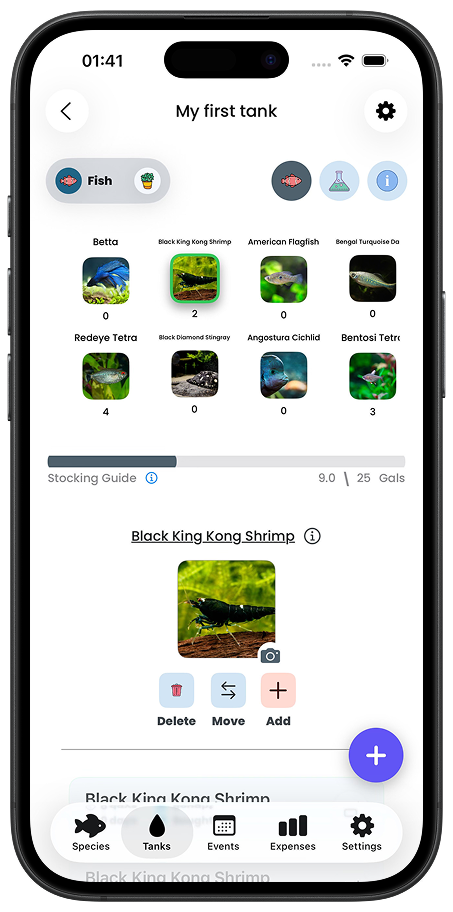
Track your aquarium's health and ensure your Short Fin Bichir is thriving with the Fishi mobile app!
- ✓ Monitor water parameters for optimal Short Fin Bichir health
- ✓ Get reminders for water changes and maintenance
- ✓ Track feeding schedules
- ✓ Log tank observations and fish behavior
- ✓ Manage multiple tanks effortlessly


Loved by over 100,000 fishkeepers