Skunk Corydoras
Corydoras arcuatus
(72-79°F)
Care Requirements
💧 Water Parameters
🏠 Tank Setup
🍽️ Diet & Feeding
Omnivorous, prefers a varied diet including high-quality flakes/pellets, live/frozen foods, and vegetable matter
🐟 Community Compatibility
Skunk Corydoras can be kept with other peaceful community fish that occupy different levels of the aquarium. They coexist well with small Tetras, Rasboras, and peaceful Dwarf Cichlids.
⚥ Sexual Dimorphism
Females are typically larger and rounder-bodied than males. Males may have slightly more elongated and pointed fins.
🌍 Origin
South America
About Skunk Corydoras
Skunk Cory, also known as Skunk Corydoras or Corydoras arcuatus, is a small and peaceful freshwater catfish that is popular among aquarium enthusiasts. Here's some information about Skunk Cory:
Skunk Corys have a compact and robust body with a distinctive black stripe running horizontally along their midsection, resembling a skunk's stripe. Their base coloration is typically silver or light gray, and they have a contrasting black and white pattern on their fins. They have short barbels around their mouth, which they use to search for food on the substrate.
Skunk Corys are native to South America, specifically the Amazon River basin and its tributaries. They inhabit slow-moving rivers, streams, and flooded areas with sandy or muddy substrates. They prefer areas with dense vegetation, fallen leaves, and submerged branches.
Skunk Corys are peaceful and social fish that should be kept in groups of at least six individuals. They are bottom-dwelling fish and spend most of their time scavenging for food on the substrate. They are known for their charming behavior, including shoaling together and occasional bursts of playful activity.
Skunk Corys are relatively easy to care for and are suitable for beginner aquarists. They require a well-maintained aquarium with a sandy or fine gravel substrate to protect their delicate barbels. The water should be kept clean with regular water changes. They appreciate the presence of hiding spots like caves, driftwood, or plants.
Skunk Corys are omnivorous and have a primarily carnivorous diet. They have a keen sense of smell and will scavenge the substrate in search of small invertebrates and leftover food. In the aquarium, they readily accept high-quality sinking pellets or tablets, as well as live or frozen foods such as bloodworms, brine shrimp, and daphnia.
Skunk Corys are peaceful and can be kept with a variety of other peaceful community fish. They are compatible with small to medium-sized fish that share similar water parameters and temperament. Good tank mates include tetras, rasboras, livebearers, and peaceful dwarf cichlids. Avoid keeping them with large or aggressive species that may intimidate or harm them.
Breeding Skunk Corys in captivity is possible but may require specific conditions and some effort. A separate breeding tank with suitable substrate, such as marbles or a mesh bottom, is needed. Provide optimal water parameters and initiate a temperature drop to simulate the rainy season, which can trigger breeding behavior. The female will lay adhesive eggs, and the parents do not provide parental care.
In conclusion, Skunk Corys are delightful and peaceful catfish that add activity and charm to freshwater aquariums. With their skunk-like stripe and sociable nature, they create an engaging display. With proper care, suitable tank conditions, and compatible tank mates, they can thrive and become a delightful addition to any community setup.
Ready to Add Skunk Corydoras to Your Tank?
Use our free stocking calculator to see if Skunk Corydoras fits your aquarium setup!
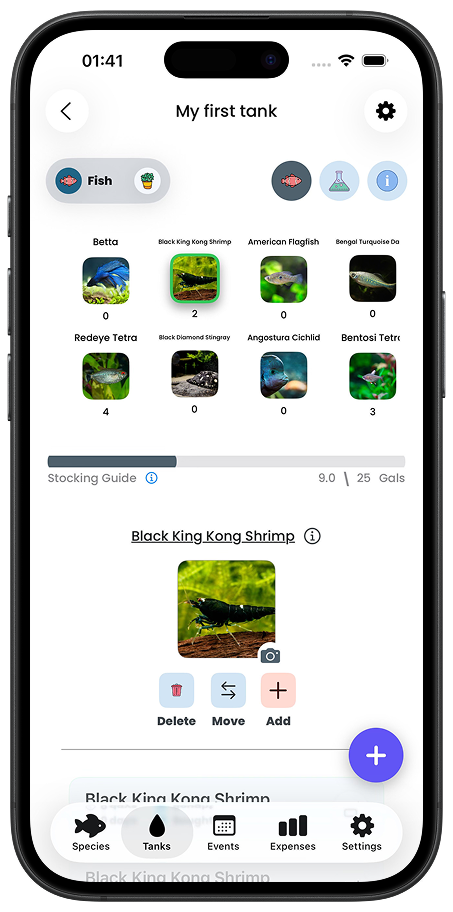
Try the Stocking CalculatorKeep Your Skunk Corydoras Happy with Fishi
Track your aquarium's health and ensure your Skunk Corydoras are thriving with the Fishi mobile app!
- ✓ Monitor water parameters for optimal Skunk Corydoras health
- ✓ Get reminders for water changes and maintenance
- ✓ Track feeding schedules
- ✓ Log tank observations and fish behavior
- ✓ Manage multiple tanks effortlessly


Loved by over 100,000 fishkeepers