Striped Raphael Catfish
Platydoras armatulus
(72-79°F)
Care Requirements
💧 Water Parameters
🏠 Tank Setup
🍽️ Diet & Feeding
Omnivorous; accepts a wide variety of foods including pellets, frozen foods, and vegetables.
🐟 Community Compatibility
A peaceful nocturnal species, best kept with other peaceful community fish. Requires hiding spots.
⚥ Sexual Dimorphism
Sexual dimorphism is not pronounced.
🌍 Origin
South America
About Striped Raphael Catfish
The Striped Raphael Catfish, scientifically known as Platydoras armatulus, is a popular and hardy species among aquarium enthusiasts, revered for its striking appearance and peaceful nature. Originating from the Amazon and Orinoco river basins in South America, this nocturnal bottom-dweller is a superb addition to many freshwater aquariums, offering both aesthetic appeal and interesting behavior.
Characterized by its robust, armored body, the Striped Raphael Catfish has a dark, velvety base color adorned with white to yellowish stripes that run longitudinally along its body, contributing to its common name. The fish is also equipped with strong, bony plates covering its body, providing protection against predators. Its pectoral and dorsal fins are equipped with sharp spines, which the catfish can lock in place as a defense mechanism when threatened, making it important for aquarists to handle them with care.
One of the most endearing qualities of the Striped Raphael Catfish is its peaceful demeanor. Despite its formidable appearance, it is quite gentle and can coexist harmoniously with a wide variety of tank mates. However, due to its size and territorial nature, it is best kept with medium to large-sized companions that are not overly aggressive.
The Striped Raphael Catfish is relatively easy to care for, making it suitable for both novice and experienced aquarists. It thrives in a well-filtered aquarium with a stable environment, requiring a temperature and pH that mimic its natural tropical habitat. The aquarium should include plenty of hiding spots, such as caves, driftwood, and dense vegetation, to provide shelter and replicate the secluded environments these catfish favor in the wild.
This species is omnivorous, with a diet in the wild consisting of insects, crustaceans, and plant matter. In captivity, they are not picky eaters and will accept a wide range of foods, including sinking pellets, freeze-dried foods, and occasional live or frozen treats such as bloodworms and brine shrimp. Feeding should occur during the evening or night to accommodate their nocturnal feeding habits.
Breeding Striped Raphael Catfish in the home aquarium is considered difficult, with few reported cases of successful breeding. This challenge is partly due to the specific environmental conditions required to trigger spawning behavior and the catfish's secretive nature.
Overall, the Striped Raphael Catfish is a resilient and fascinating species that can add both beauty and interest to a community tank. Its unique appearance, coupled with its peaceful nature and ease of care, make it a favored choice for aquarists looking to enhance their aquarium with a touch of the extraordinary.
Ready to Add Striped Raphael Catfish to Your Tank?
Use our free stocking calculator to see if Striped Raphael Catfish fits your aquarium setup!
Try the Stocking CalculatorKeep Your Striped Raphael Catfish Happy with Fishi
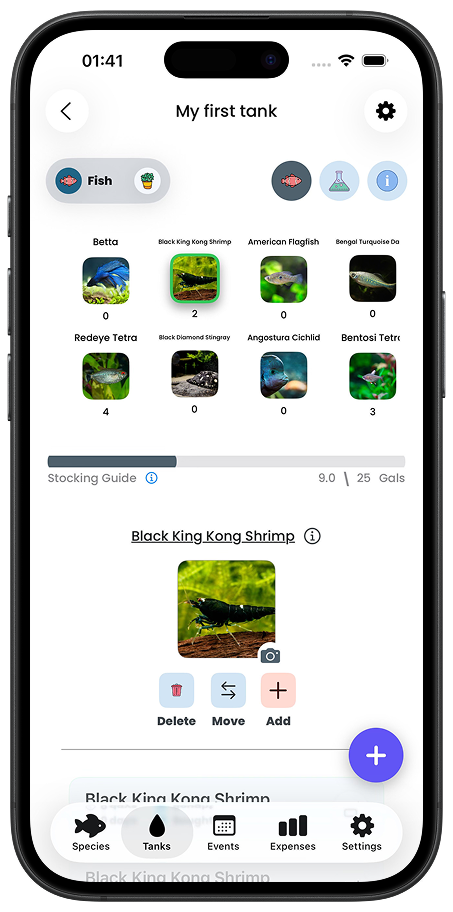
Track your aquarium's health and ensure your Striped Raphael Catfish is thriving with the Fishi mobile app!
- ✓ Monitor water parameters for optimal Striped Raphael Catfish health
- ✓ Get reminders for water changes and maintenance
- ✓ Track feeding schedules
- ✓ Log tank observations and fish behavior
- ✓ Manage multiple tanks effortlessly


Loved by over 100,000 fishkeepers